Investment Real Estate in Jerusalem

Jerusalem property investment can be a worthwhile venture if you are selective with the areas you choose to invest in. If not, you could find that your investment suffers due to low rental yields, dwindling demand, and slow property price growth in many parts of Jerusalem.
Get Our Latest List of Investment Property in Jerusalem
Search Map of Jerusalem Investment Real Estate
Jerusalem (; Hebrew: יְרוּשָׁלַיִם  Yerushaláyim; Arabic: القُدس al-Quds or Bayt al-Maqdis, also spelled Baitul Muqaddas) is a city in Western Asia, on a plateau in the Judaean Mountains between the Mediterranean and the Dead Sea. It is one of the oldest cities in the world, and is considered holy to the three major Abrahamic religions—Judaism, Christianity, and Islam. Both Israel and the Palestinian Authority claim Jerusalem as their capital, as Israel maintains its primary governmental institutions there and the State of Palestine ultimately foresees it as its seat of power. Neither claim, however, is widely recognized internationally.[note 3]
Throughout its long history, Jerusalem has been destroyed at least twice, besieged 23 times, captured and recaptured 44 times, and attacked 52 times. The part of Jerusalem called the City of David shows first signs of settlement in the 4th millennium BCE, in the shape of encampments of nomadic shepherds. In the Canaanite period (14th century BCE), Jerusalem was named as Urusalim on ancient Egyptian tablets, probably meaning “City of Shalem” after a Canaanite deity. During the Israelite period, significant construction activity in Jerusalem began in the 9th century BCE (Iron Age II), and in the 8th century BCE the city developed into the religious and administrative center of the Kingdom of Judah. In 1538, the city walls were rebuilt for a last time around Jerusalem under Suleiman the Magnificent. Today those walls define the Old City, which has been traditionally divided into four-quarters—known since the early 19th century as the Armenian, Christian, Jewish, and Muslim Quarters. The Old City became a World Heritage Site in 1981, and is on the List of World Heritage in Danger. Since 1860 Jerusalem has grown far beyond the Old City’s boundaries. In 2015, Jerusalem had a population of some 850,000 residents, comprising approximately 200,000 secular Jewish Israelis, 350,000 Haredi Jews and 300,000 Palestinians. In 2016, the population was 882,700, of which Jews comprised 536,600 (60.8%), Muslims 319,800 (36.2%), Christians 15,800 (1.8%), and 10,300 unclassified (1.2%).
According to the Bible, King David conquered the city from the Jebusites and established it as the capital of the united kingdom of Israel, and his son, King Solomon, commissioned the building of the First Temple. Modern scholars argue that Jews branched out of the Canaanite peoples and culture through the development of a distinct monolatrous – and later monotheistic – religion centered on El/Yahweh, These foundational events, straddling the dawn of the 1st millennium BCE, assumed central symbolic importance for the Jewish people. The sobriquet of holy city (עיר הקודש, transliterated ‘ir haqodesh) was probably attached to Jerusalem in post-exilic times. The holiness of Jerusalem in Christianity, conserved in the Septuagint which Christians adopted as their own authority, was reinforced by the New Testament account of Jesus’s crucifixion there. In Sunni Islam, Jerusalem is the third-holiest city, after Mecca and Medina. In Islamic tradition, in 610 CE it became the first qibla, the focal point for Muslim prayer (salat), and Muhammad made his Night Journey there ten years later, ascending to heaven where he speaks to God, according to the Quran. As a result, despite having an area of only
0.9 km2 (3⁄8 sq mi), the Old City is home to many sites of seminal religious importance, among them the Temple Mount with its Western Wall, Dome of the Rock and al-Aqsa Mosque, and the Church of the Holy Sepulchre. Outside the Old City stands the Garden Tomb.
Today, the status of Jerusalem remains one of the core issues in the Israeli–Palestinian conflict. During the 1948 Arab–Israeli War, West Jerusalem was among the areas captured and later annexed by Israel while East Jerusalem, including the Old City, was captured and later annexed by Jordan. Israel captured East Jerusalem from Jordan during the 1967 Six-Day War and subsequently annexed it into Jerusalem, together with additional surrounding territory. One of Israel’s Basic Laws, the 1980 Jerusalem Law, refers to Jerusalem as the country’s undivided capital. All branches of the Israeli government are located in Jerusalem, including the Knesset (Israel’s parliament), the residences of the Prime Minister (Beit Aghion) and President (Beit HaNassi), and the Supreme Court. While the international community rejected the annexation as illegal and treats East Jerusalem as Palestinian territory occupied by Israel, Israel has a stronger claim to sovereignty over West Jerusalem.
Get Our Latest List of Investment Property in Jerusalem
The financial stability of Jerusalem has translated into a real estate market that rewards forward planning and a willingness to look beyond areas of traditional affluence.
Buy to Rent in Jerusalem
Renting out your Jerusalem buy-to-rent investment property can grow wealth and income.
Whatever your goals with investment property in Jerusalemare – preparation is key.
With our expert guidance, investing in Jerusalem provides the secure knowledge that your money is working harder than it would in a local Jerusalem bank and that future generations of your family will be left with substantial capital growth assets.
We are always happy to advise on buying investment property in Jerusalem, where we have been established for over 35+ years. Physis Realty has been a firm fixture in the Jerusalem property market through good times and bad. Our experts have seen it all and our portfolios continue to outperform.
Flipping Investment Property in Jerusalem
Flipping property in Jerusalem
Flipping property is when we advise clients to buy a Jerusalem property below market value, renovate it and then make a profit by selling it at a higher price, all within a few months, and often before the Jerusalem market has a time to react to the renovation.
The Flipping Strategy in Jerusalem
Investment property flipping in Jerusalem is a simple strategy. You find a property that is in need of renovation from our list and purchase it for a low price. These type of Jerusalem real estate investments are sometimes referred to by professionals as ‘distressed’ Jerusalem real estate.
What is distressed Jerusalem property:
- Jerusalem property in need of renovation
- Jerusalem real estate with a change of puropose and use
- Oversold Jerusalem property
- Bank repossessions in Jerusalem
Put simply, long term investors in Jerusalem purchase the property, renovate it and make it a lot more attractive to potential buyers.
Calculate profit that you make from Jerusalem investment property flipping:
Final Selling Price less Cost of Purchase less Costs = Profit
Here is an example:
Jerusalem property purchase price: $220,000
Renovation costs: $20,000
Other costs: $25,000
Property sale price: $400,000
Profit: $135,000
Experienced property developers in Jerusalem use a minimum profit value of 22% when looking at potential Jerusalem projects. The reason for this is because there are lots that can go wrong in Jerusalem property flipping and working on a potential margin of 22% should still leave a good margin of error.
Luxury Property in Jerusalem
For luxury property investors hoping to add a superb property in {AsainCity} to their luxury real estate investment portfolio, Physis Realty is a trusted partner.
Click Here for the Physis Realty Facebook Page
A world leader in luxury real estate with a portfolio comprising some of the most sought-after real estate in Jerusalem, Physis Realty caters particularly to high net-worth individuals and families in Asia. A luxury real estate investment in Jerusalem should be entrusted to only the highest-quality agency.
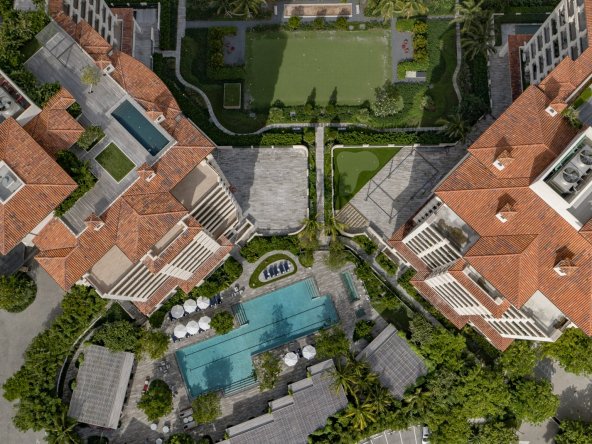
Opulent Penthouse with Rooftop
Miami, Miami-Dade County, Florida, United States Details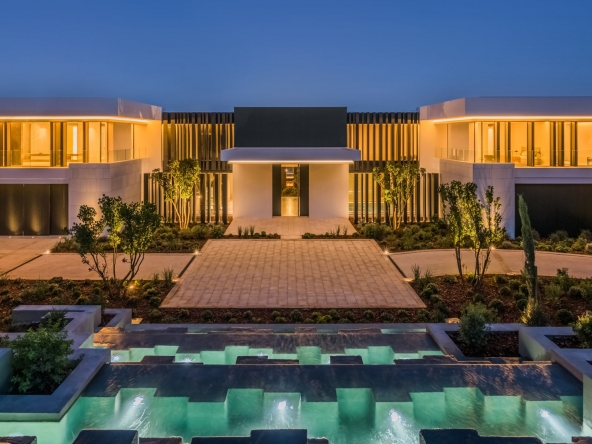
Brand New Luxury Villa in La Zagaleta
Marbella, Costa del Sol Occidental, Malaga, Andalusia, Spain Details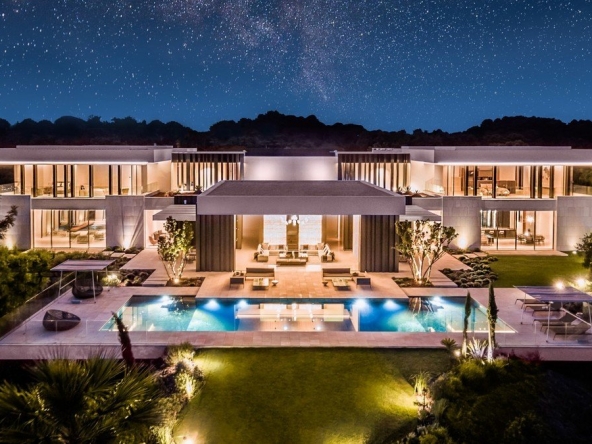
Modern Luxury Mansion in La Zagaleta
Benahavís, Costa del Sol Occidental, Malaga, Andalusia, 29679, Spain Details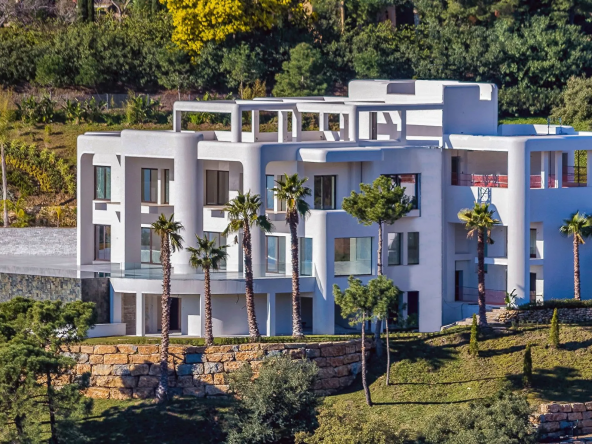
Yacht Designed Dream House
Marbella, Costa del Sol Occidental, Malaga, Andalusia, Spain Details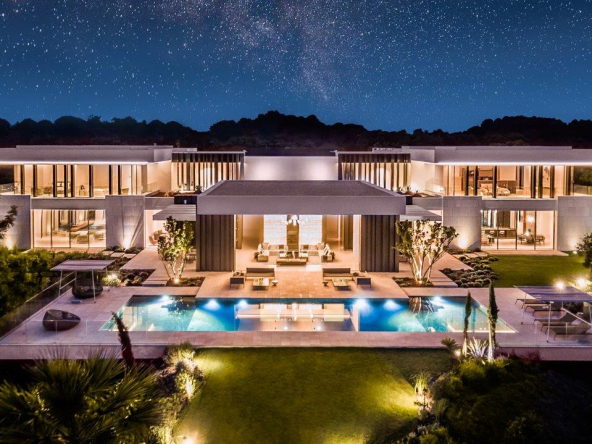
Unique State-of-the-art Mansion in La Zagaleta
Benahavís, Costa del Sol Occidental, Malaga, Andalusia, 29679, Spain Details
Luxury Villa in Miami Beach
Miami, Miami-Dade County, Florida, United States Details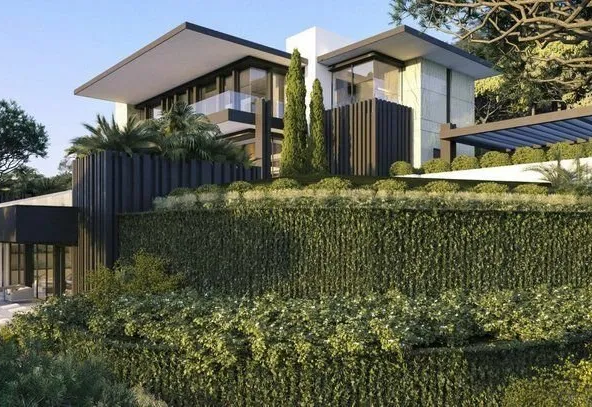
Luxury Masterpiece In La Zagaleta
Benahavís, Costa del Sol Occidental, Malaga, Andalusia, 29679, Spain Details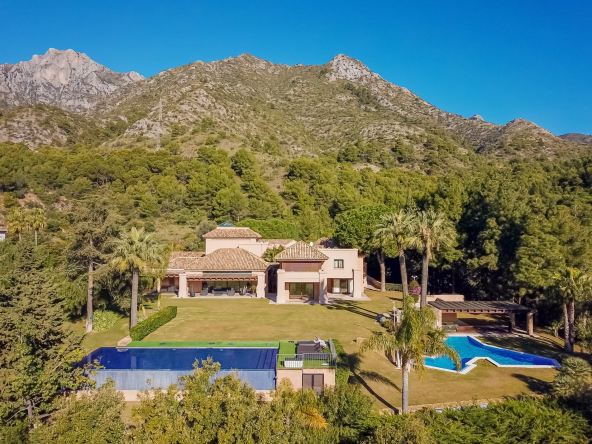
Contemporary Villa In Marbella
Marbella, Costa del Sol Occidental, Malaga, Andalusia, Spain Details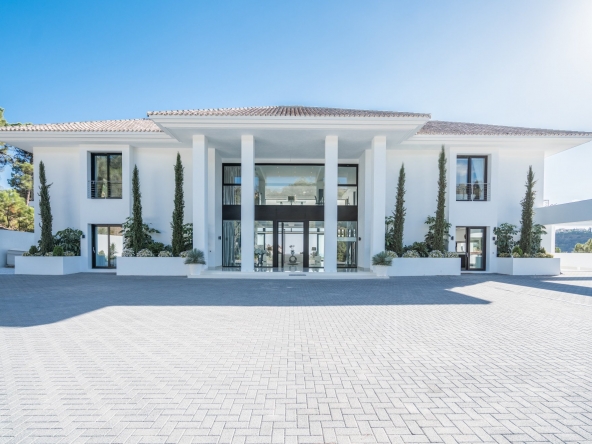
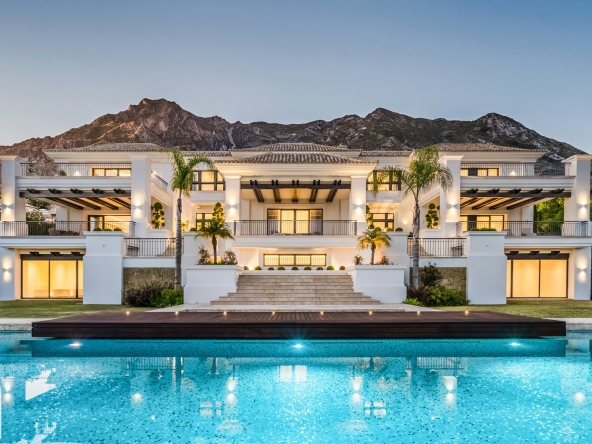
Villa in Benahavis
Benahavís, Costa del Sol Occidental, Malaga, Andalusia, 29679, Spain Details
Contemporary Andalusian Villa in Sierra Blanca
Marbella, Costa del Sol Occidental, Malaga, Andalusia, Spain Details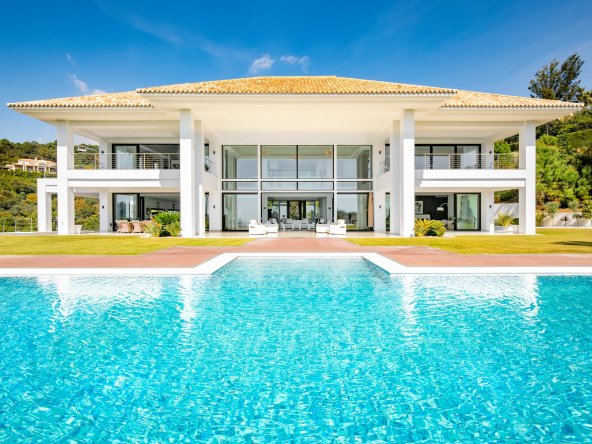
Spectacular Villa With Stunning Sea And Mountain View
Benahavís, Costa del Sol Occidental, Malaga, Andalusia, 29679, Spain Details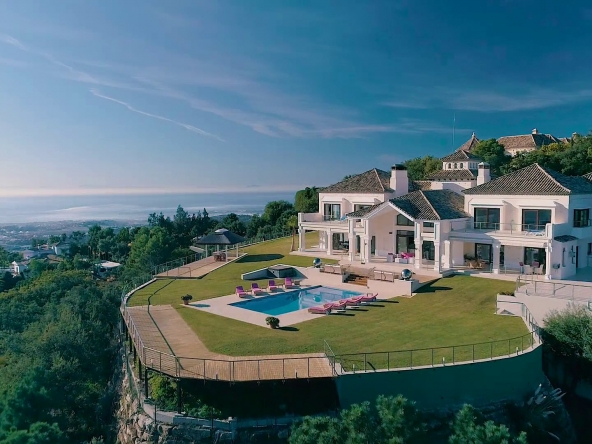
Impressive Benahavis Villa
Benahavís, Costa del Sol Occidental, Malaga, Andalusia, 29679, Spain Details
Benahavis Mansion
Benahavís, Costa del Sol Occidental, Malaga, Andalusia, 29679, Spain Details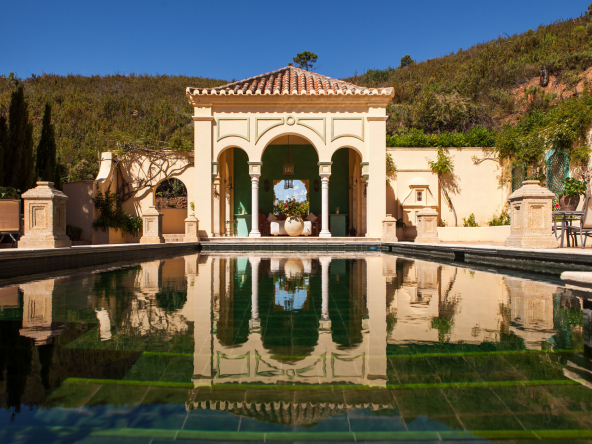
Palatial Estate in Estepona
Estepona, Costa del Sol Occidental, Malaga, Andalusia, Spain Details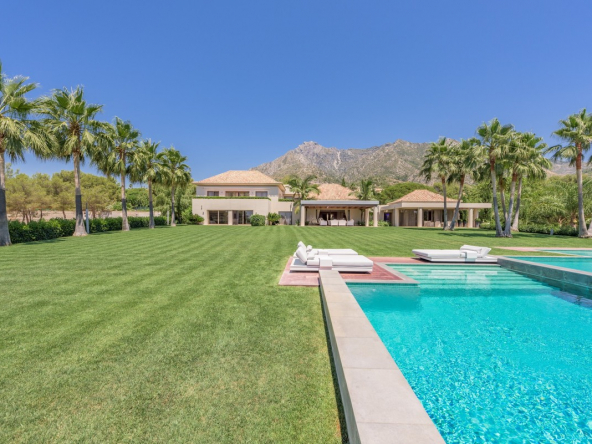
9 Bedroom Villa in Sierra Blanca
Marbella, Costa del Sol Occidental, Malaga, Andalusia, Spain Details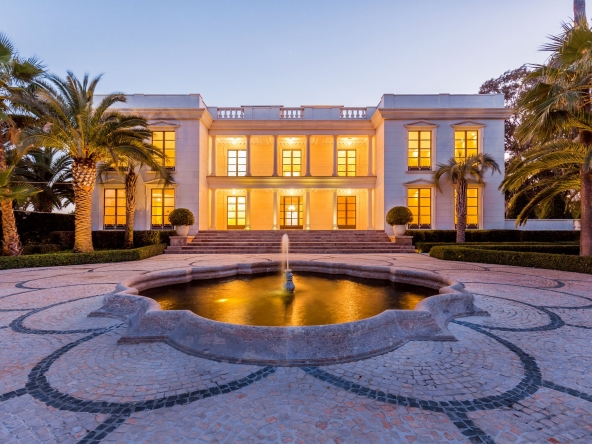
Stunning Oceanfront Miramar Palace
Marbella, Costa del Sol Occidental, Malaga, Andalusia, Spain Details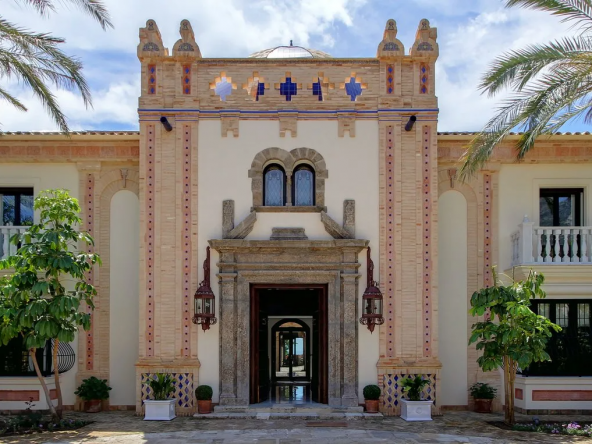
Exclusive Palatial Mansion In Marbella
Marbella, Costa del Sol Occidental, Malaga, Andalusia, Spain Details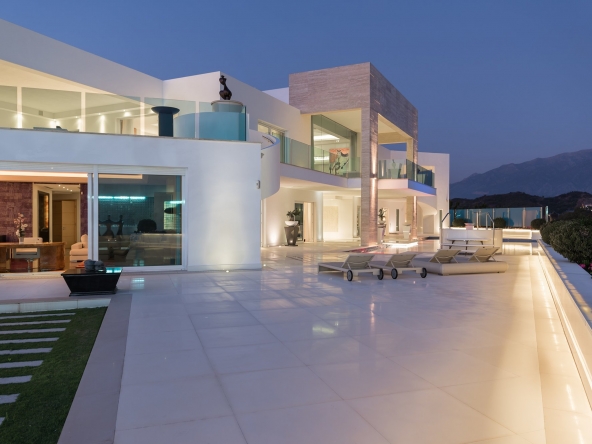
Iconic Art Deco Villa in Marbella
Marbella, Costa del Sol Occidental, Malaga, Andalusia, Spain Details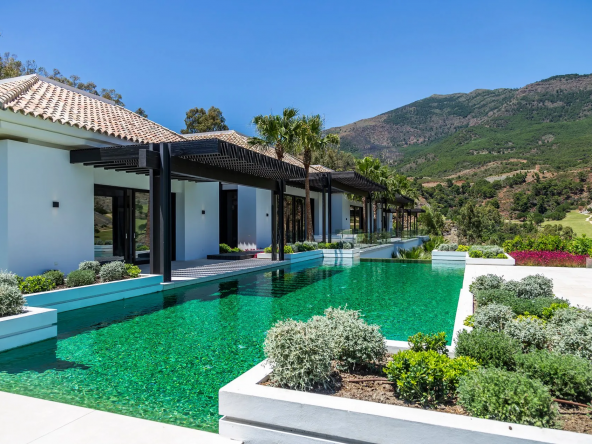
New Modern Villa In Zagaleta
Benahavís, Costa del Sol Occidental, Malaga, Andalusia, 29679, Spain Details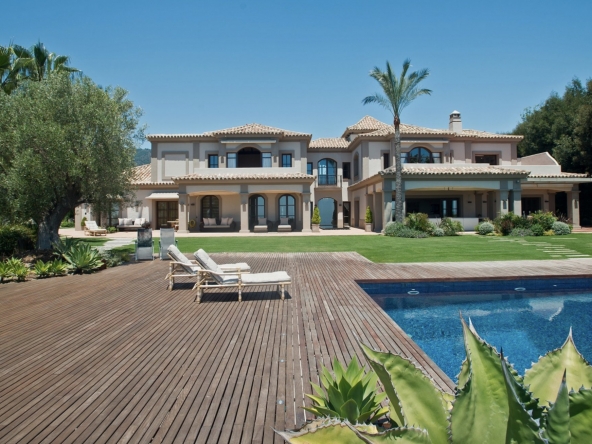
Cozy Villa in La Zagaleta
Benahavís, Costa del Sol Occidental, Malaga, Andalusia, 29679, Spain Details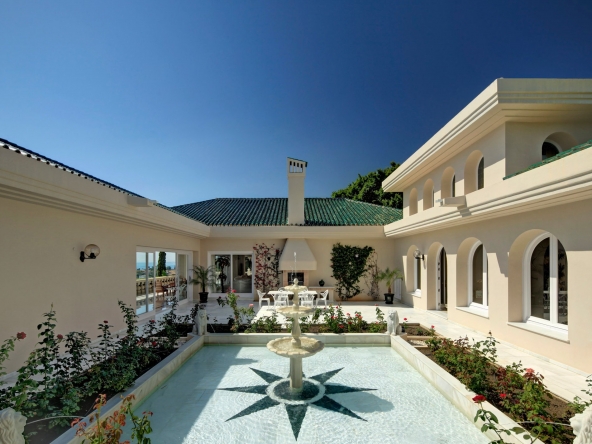
Palatial Mansion in Marbella
Marbella, Costa del Sol Occidental, Malaga, Andalusia, Spain Details
Nueva Andalucia Villa
La Cerquilla, Trevélez, Comarca de la Alpujarra Granadina, Granada, Andalusia, 18417, Spain Details
Nueva Andalucia Villa
Nueva Andalucía, Marbella, Costa del Sol Occidental, Malaga, Andalusia, 29660, Spain Details


Stunning Benahavis Villa
Benahavís, Costa del Sol Occidental, Malaga, Andalusia, 29679, Spain Details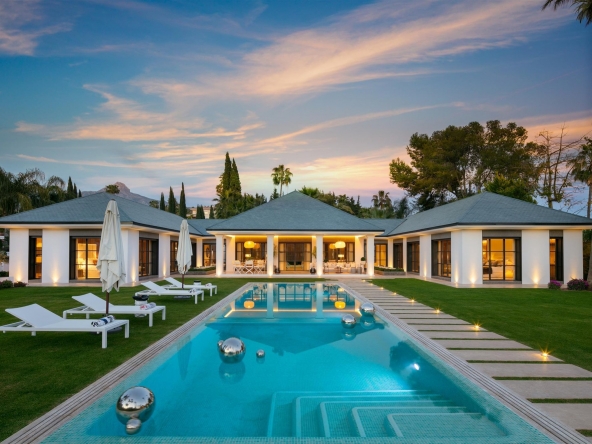
Front line Las Brisas Golf Estate
Marbella, Costa del Sol Occidental, Malaga, Andalusia, Spain Details
5 bedroom Villa in Costa del Sol
Costa del Sol, Dos Hermanas, Sevilla, Andalusia, 41702, Spain Details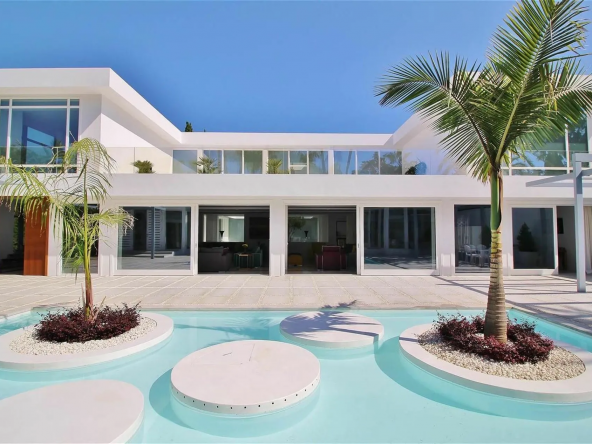
Villa de San Pedro De Alcántara
Marbella, Costa del Sol Occidental, Malaga, Andalusia, Spain Details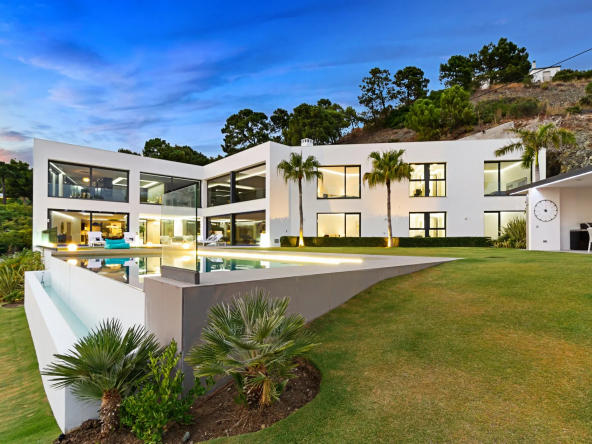
African Coast View Villa
Benahavís, Costa del Sol Occidental, Malaga, Andalusia, 29679, Spain Details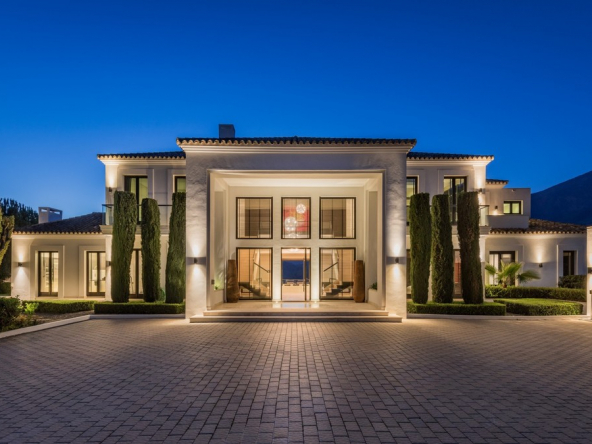
7 Bedroom Villa in La Zagaleta
Benahavís, Costa del Sol Occidental, Malaga, Andalusia, 29679, Spain Details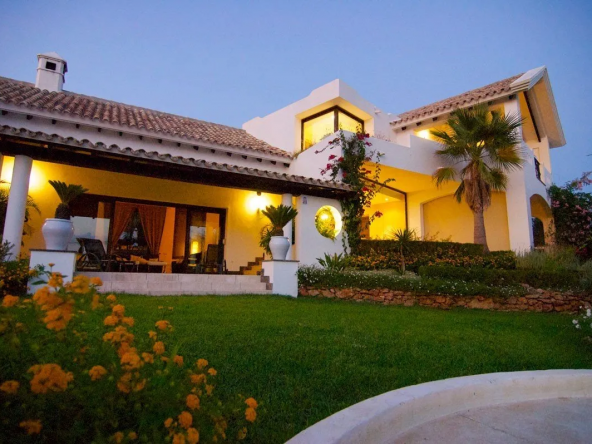
House Marbella
Marbella, Costa del Sol Occidental, Malaga, Andalusia, Spain Details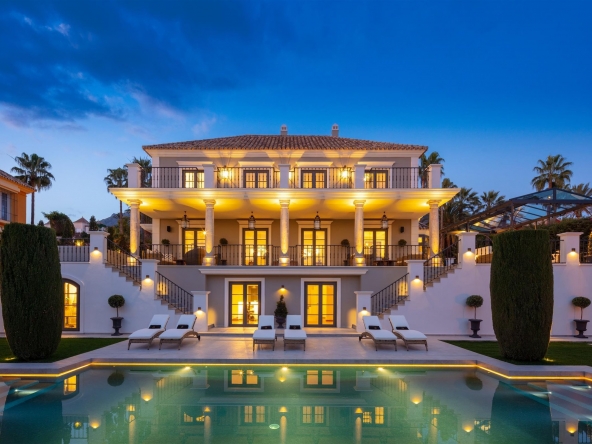
Amazing Renovated Family Home in Sierra Blanca
Marbella, Costa del Sol Occidental, Malaga, Andalusia, Spain Details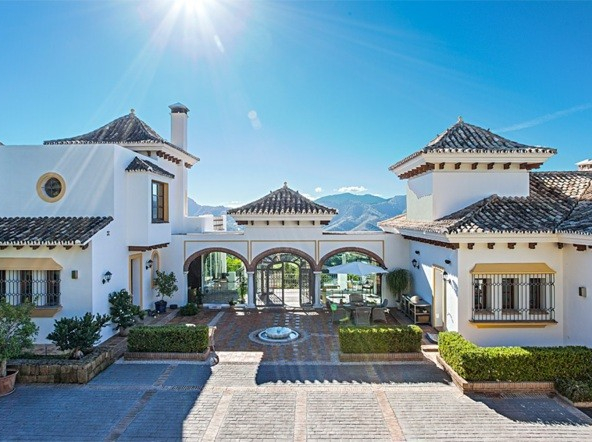
7 bedroom Villa in Costa del Sol
Benahavís, Costa del Sol Occidental, Malaga, Andalusia, 29679, Spain Details
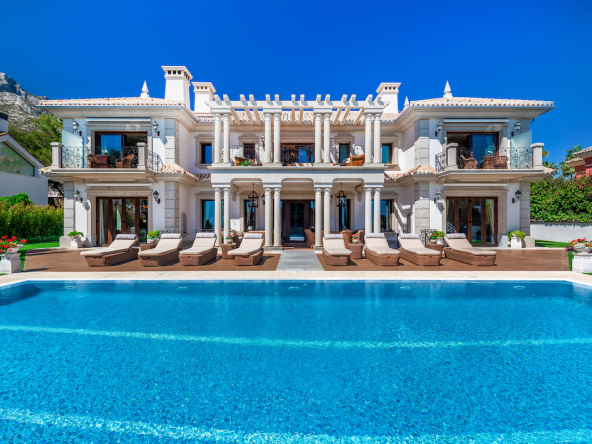
Reformed Luxury Golden Mile Villa
Marbella, Costa del Sol Occidental, Malaga, Andalusia, Spain Details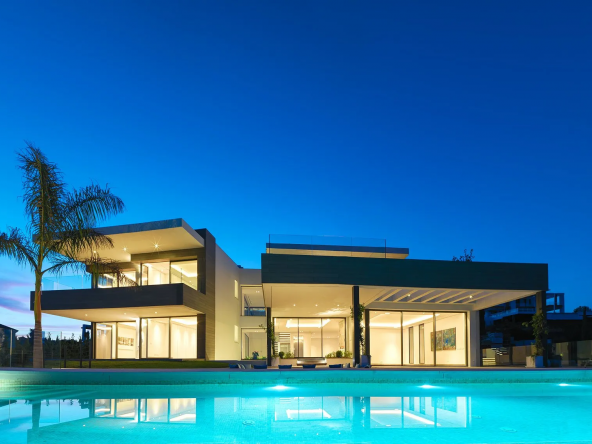
Los Flamingos Luxury Villa
Marbella, Costa del Sol Occidental, Malaga, Andalusia, Spain Details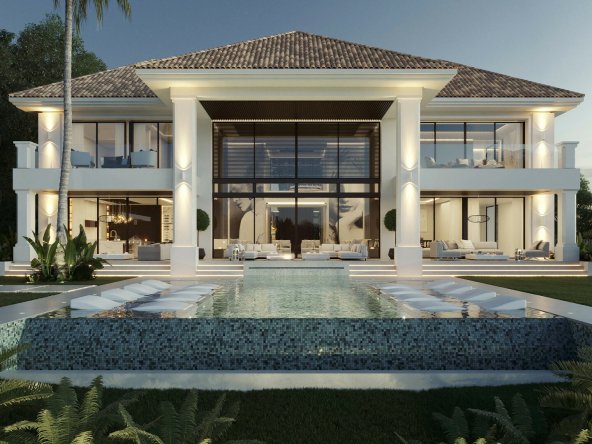
Mediterranean Benahavis Villa
Benahavís, Costa del Sol Occidental, Malaga, Andalusia, 29679, Spain Details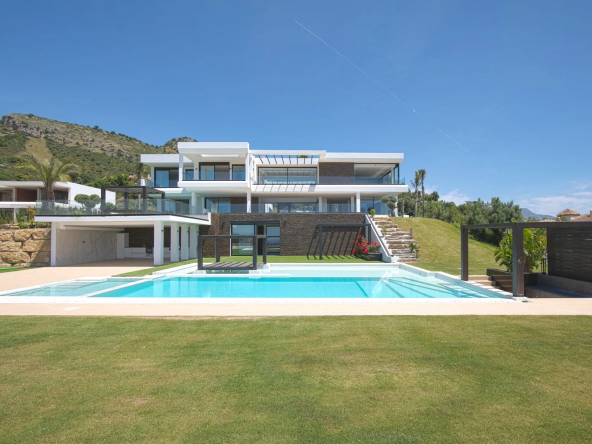
Brand New Villa With in Marbella Club Golf
Benahavís, Costa del Sol Occidental, Malaga, Andalusia, 29679, Spain Details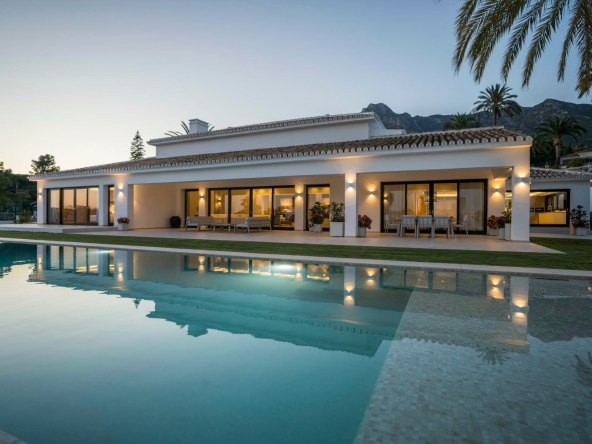
Marbella Villa
Marbella, Costa del Sol Occidental, Malaga, Andalusia, Spain Details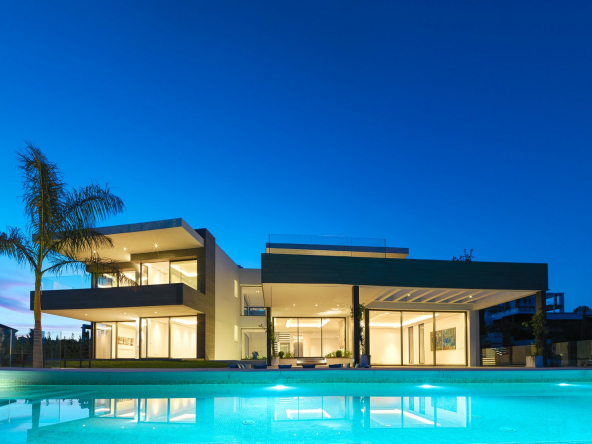
Benahavis Villa
Benahavís, Costa del Sol Occidental, Malaga, Andalusia, 29679, Spain Details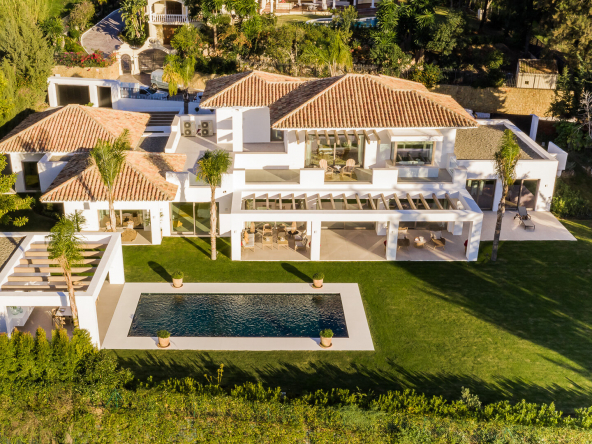
Modern Luxury Villa in El Paraiso
Estepona, Costa del Sol Occidental, Malaga, Andalusia, Spain Details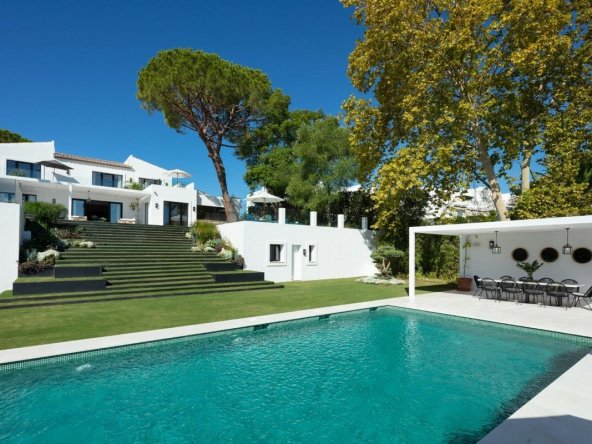
Heart of Golf Valley Villa
Málaga, Málaga-Costa del Sol, Malaga, Andalusia, Spain Details
6 bedroom Villa in The Golden Mile
Marbella, Costa del Sol Occidental, Malaga, Andalusia, Spain Details
Istan Villa
Marbella, Costa del Sol Occidental, Malaga, Andalusia, Spain Details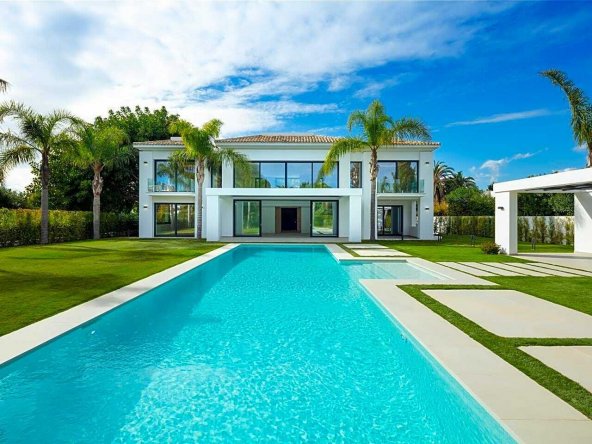
New Grand Villa in Guadalmina Baja
Estepona, Costa del Sol Occidental, Malaga, Andalusia, Spain Details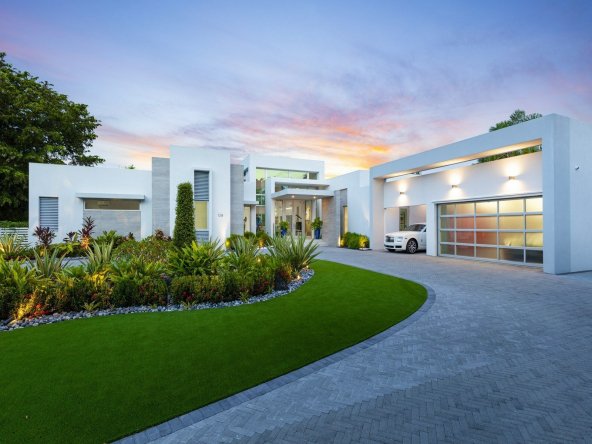
Immaculate N Pinecrest House
Miami, Miami-Dade County, Florida, United States Details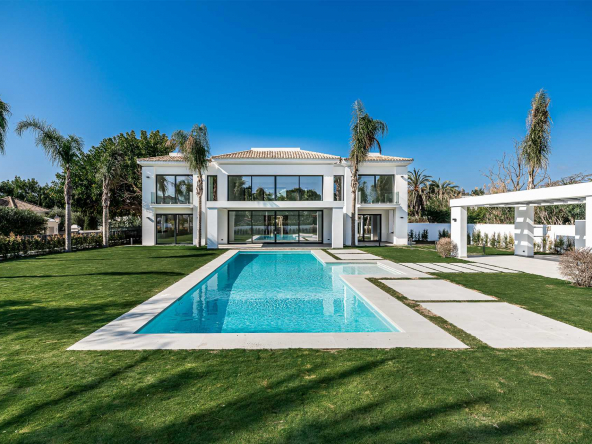
Brand New Modern Villa in Casasola
Estepona, Costa del Sol Occidental, Malaga, Andalusia, Spain Details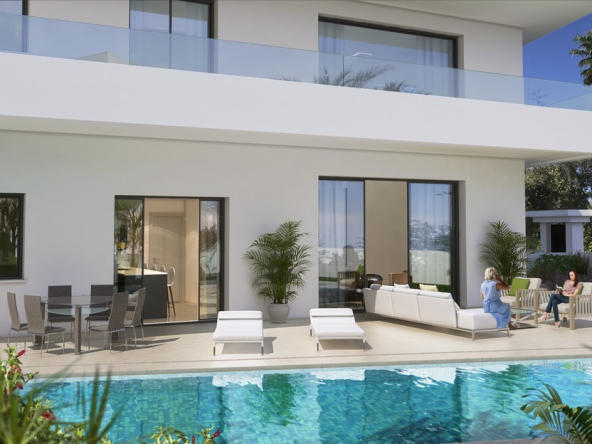
5 Bedroom Villa in The Golden Mile
Marbella, Costa del Sol Occidental, Malaga, Andalusia, Spain Details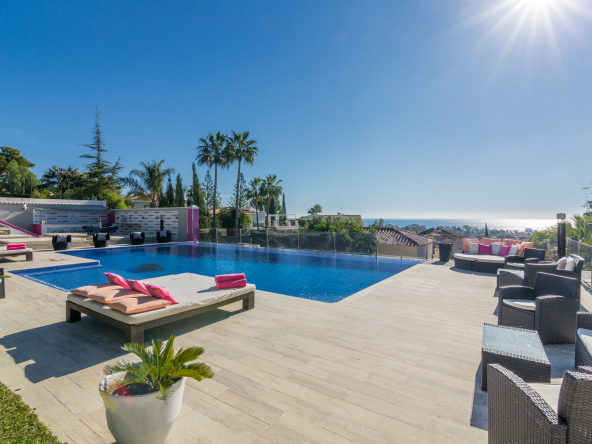
Spectacular Luxury Villa in Elviria
Elviria, Marbella, Costa del Sol Occidental, Malaga, Andalusia, 29604, Spain Details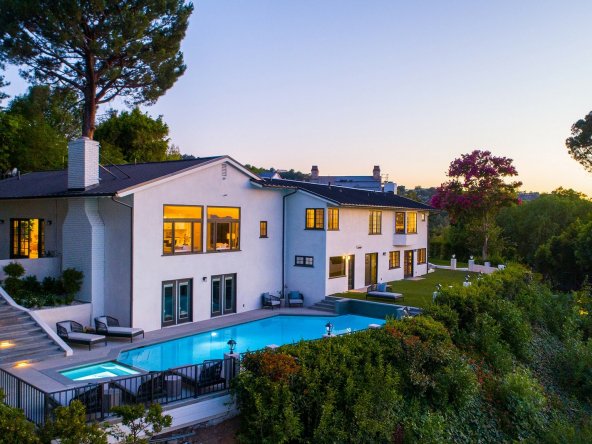
Blairwood Drive Home
Los Angeles, Los Angeles County, California, United States Details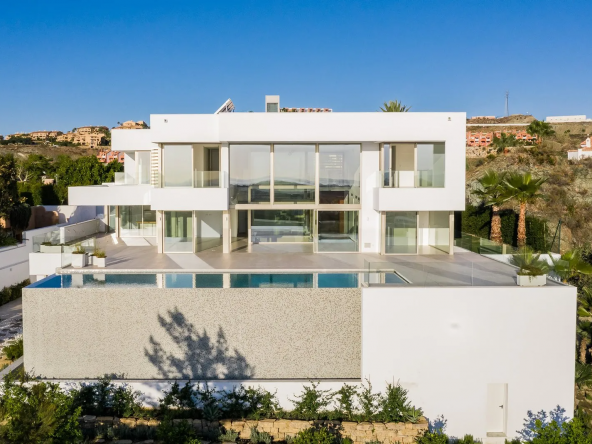
Contemporary Frontline Golf Villa In Marbella
Marbella, Costa del Sol Occidental, Malaga, Andalusia, Spain Details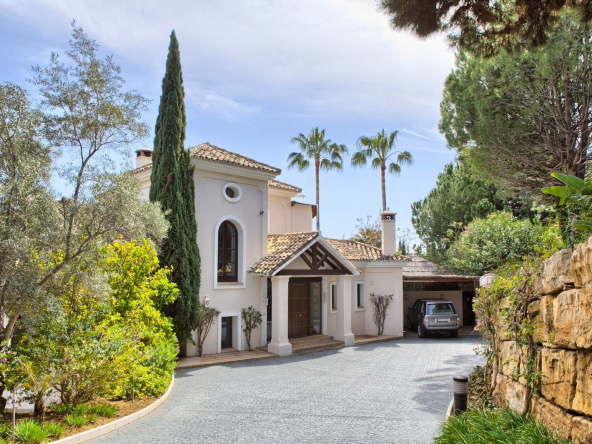
Charming Villa in La Zagaleta
Marbella, Costa del Sol Occidental, Malaga, Andalusia, Spain Details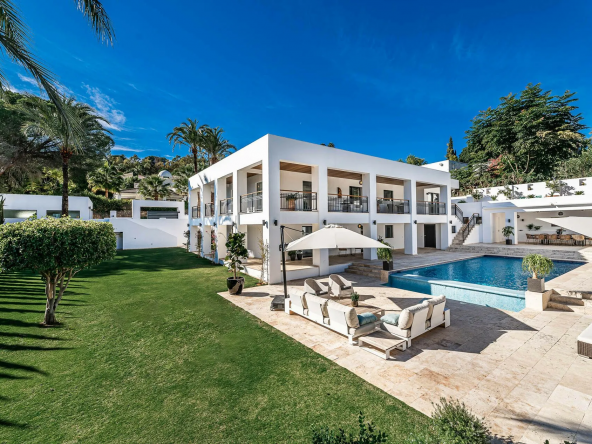
Marbella Villa
Marbella, Costa del Sol Occidental, Malaga, Andalusia, Spain Details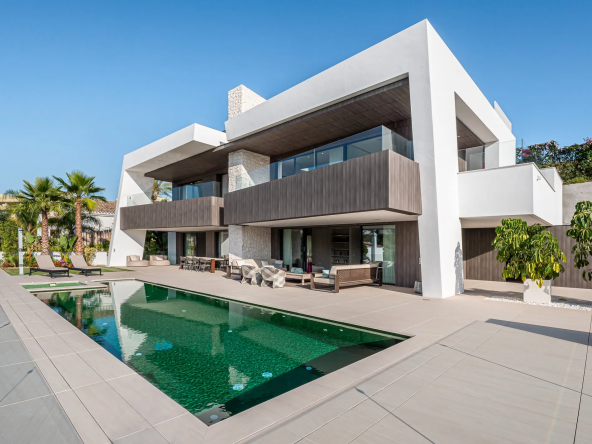
Los Naranjos Golf Course Villa
Marbella, Costa del Sol Occidental, Malaga, Andalusia, Spain Details
Unique Marbella Villa
Marbella, Costa del Sol Occidental, Malaga, Andalusia, Spain Details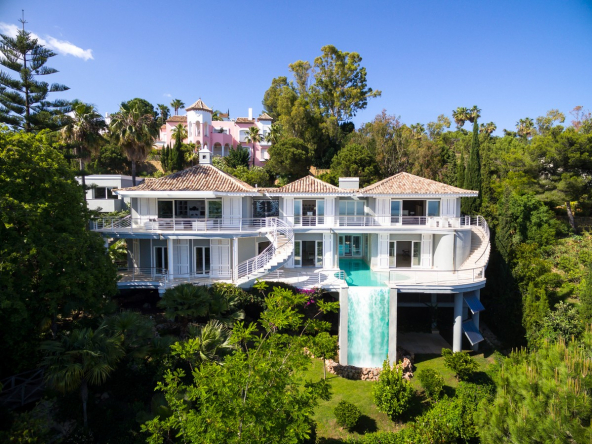
Villa in El Madroñal
Costa del Sol, Dos Hermanas, Sevilla, Andalusia, 41702, Spain Details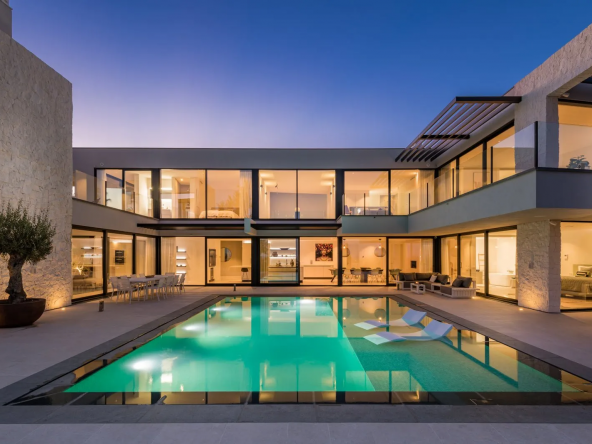
Sophisticated Frontline Golf Luxury Villa In Marbella
Marbella, Costa del Sol Occidental, Malaga, Andalusia, Spain Details
Marbella Club Golf Resort Villa
Benahavís, Costa del Sol Occidental, Malaga, Andalusia, 29679, Spain Details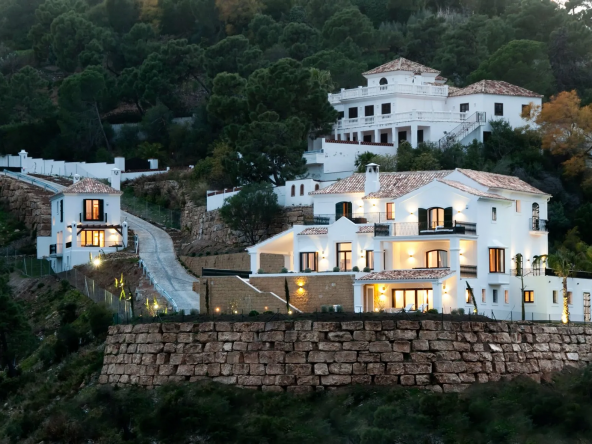
Madroñal Luxury Villa
Benahavís, Costa del Sol Occidental, Malaga, Andalusia, 29679, Spain Details
Villa in La Quinta
Marbella, Costa del Sol Occidental, Malaga, Andalusia, Spain Details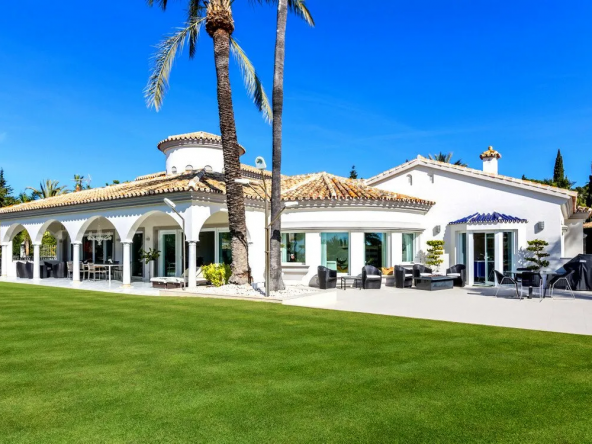
Hacienda Las Chapas Villa
Marbella, Costa del Sol Occidental, Malaga, Andalusia, Spain Details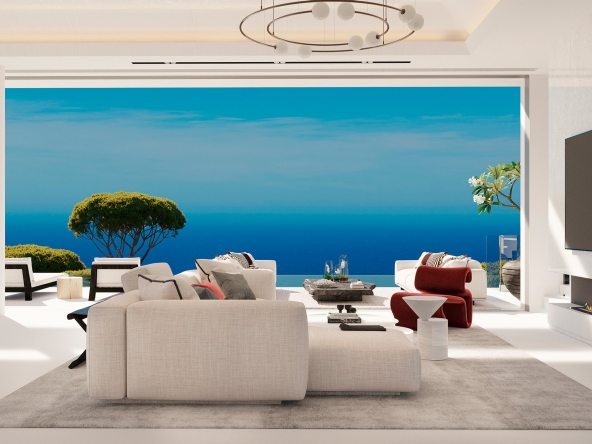
Villa Auriga in Vista Lago Residences
Marbella, Costa del Sol Occidental, Malaga, Andalusia, Spain Details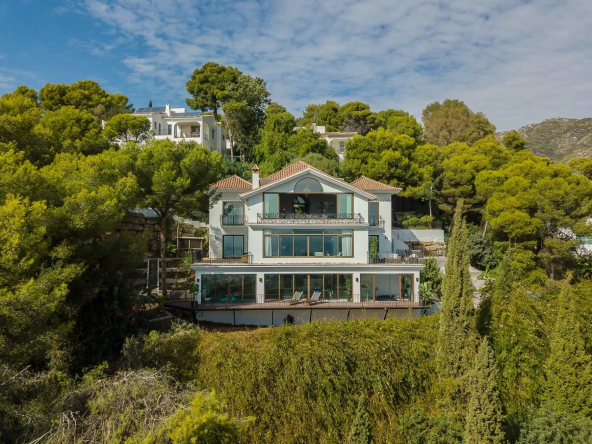
Stunning Villa With Unbeatable Sea Views In Marbella
Marbella, Costa del Sol Occidental, Malaga, Andalusia, Spain Details

New Golden Mile Apartment
Estepona, Costa del Sol Occidental, Malaga, Andalusia, Spain Details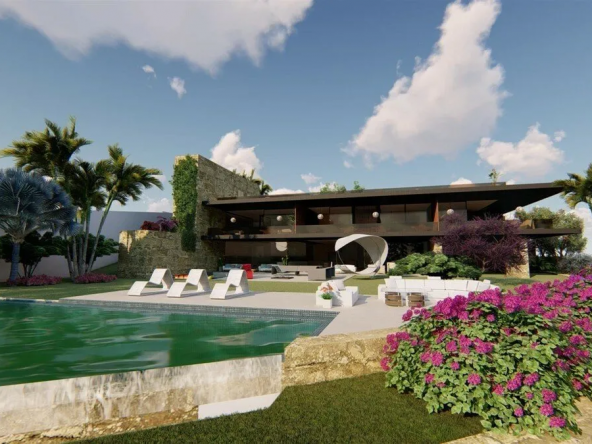
Villa For Sale In El Paraiso
Estepona, Costa del Sol Occidental, Malaga, Andalusia, Spain Details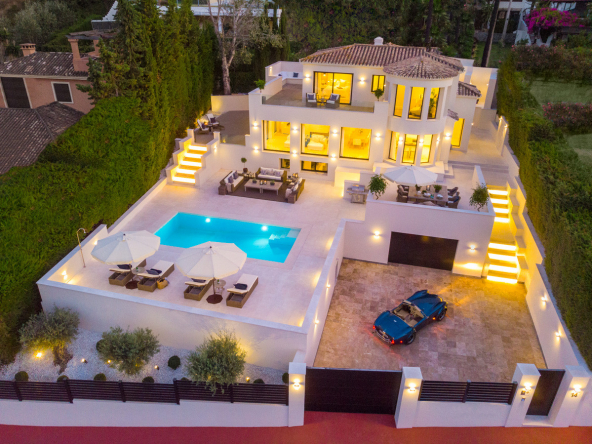
Fully Modernised Luxury Villa in Nueva Andalucia
Nueva Andalucía, Almeria, Andalusia, 04006, Spain Details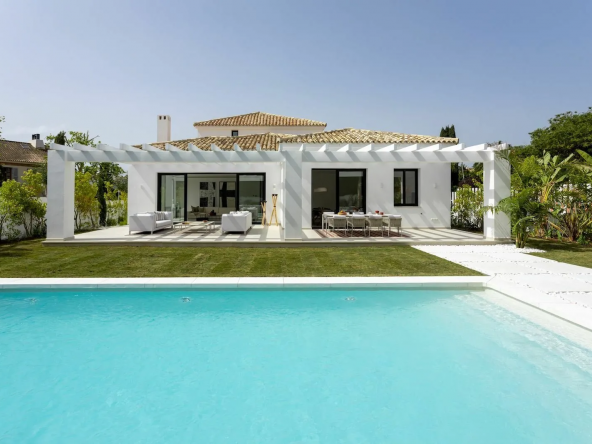
New Luxury Mediterranean Villa At Guadalmina Baja
Marbella, Costa del Sol Occidental, Malaga, Andalusia, Spain Details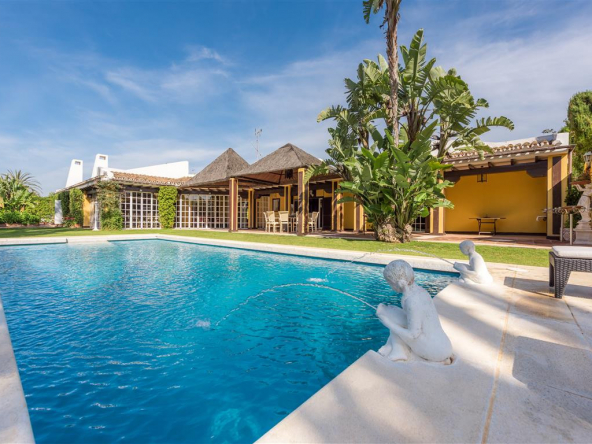
Exceptional Beachside Guadalmina Baja Villa
Guadalmina Baja, Marbella, Costa del Sol Occidental, Malaga, Andalusia, 29670, Spain Details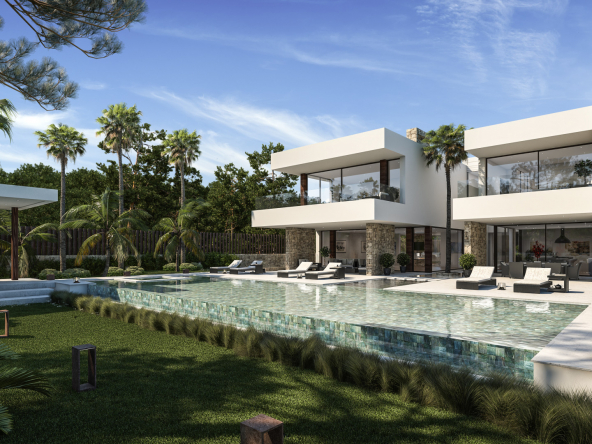
San Pedro de Alcantara Villa
San Pedro de Alcántara, Costa del Sol Occidental, Malaga, Andalusia, 29670, Spain Details
Marbella Duplex Penthouse
Marbella, Costa del Sol Occidental, Malaga, Andalusia, Spain Details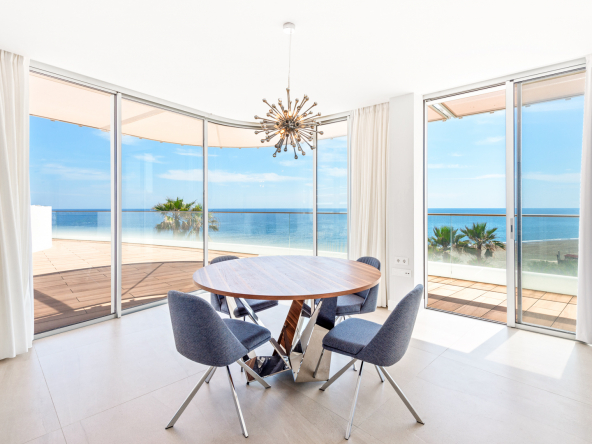
Stunning Penthouse in New Luxury Complex
Estepona, Costa del Sol Occidental, Malaga, Andalusia, Spain Details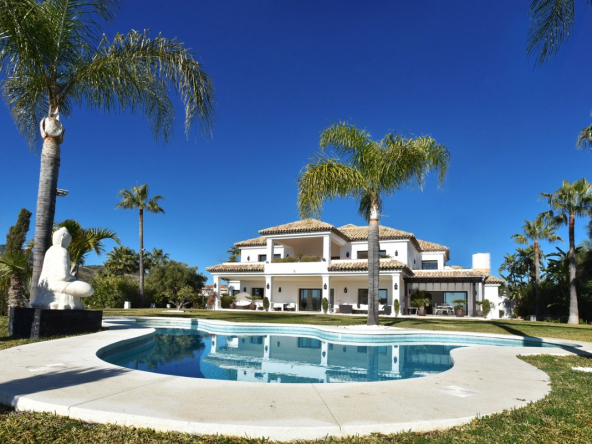
7 bedroom Villa in Benahavís
Benahavís, Costa del Sol Occidental, Malaga, Andalusia, 29679, Spain Details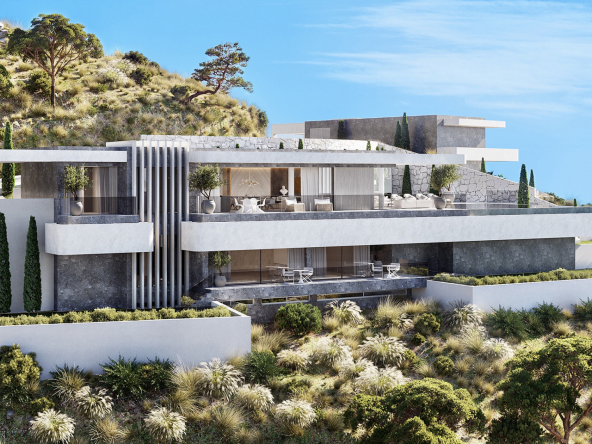
Luxury Sustainable Villas in Real de la Quinta
Marbella, Costa del Sol Occidental, Malaga, Andalusia, Spain Details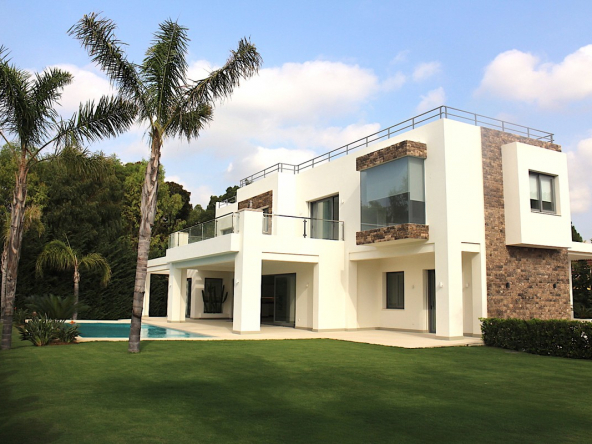
Amazing Villa in Guadalmina Baja
Guadalmina Baja, Marbella, Costa del Sol Occidental, Malaga, Andalusia, 29670, Spain Details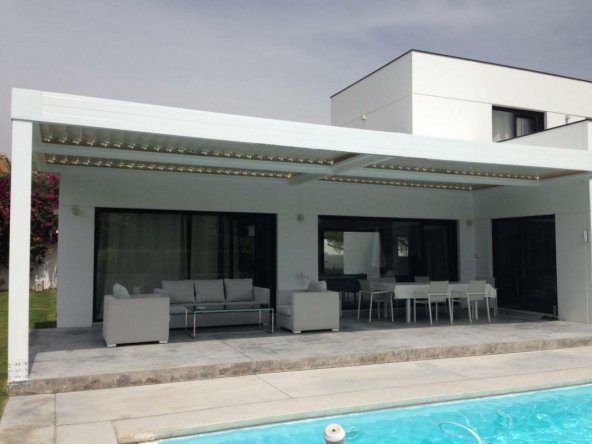
Villa in San Pedro De Alcántara
San Pedro de Alcántara, Costa del Sol Occidental, Malaga, Andalusia, 29670, Spain Details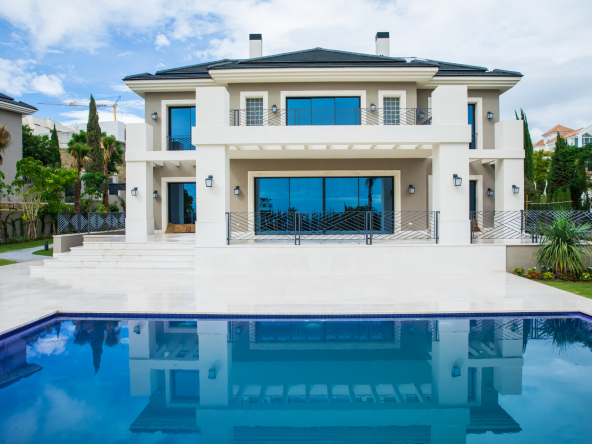
Luxury Los Flamingos Villa
Benahavís, Costa del Sol Occidental, Malaga, Andalusia, 29679, Spain Details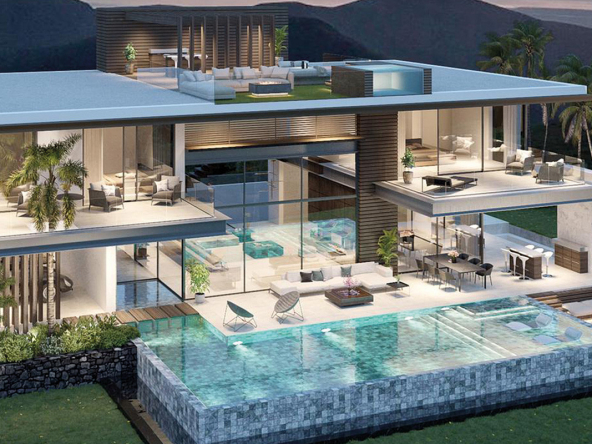
Luxury Villa in La Alqueria
Benahavís, Costa del Sol Occidental, Malaga, Andalusia, 29679, Spain Details
El Paraíso Villa
El Paraíso, Estepona, Costa del Sol Occidental, Malaga, Andalusia, 29688, Spain Details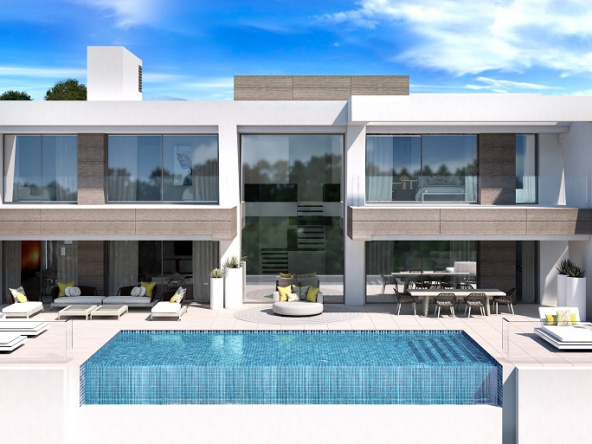
Contemporary Villas with Panoramic Views
Estepona, Costa del Sol Occidental, Malaga, Andalusia, Spain Details
Impressive Two-Story Estate
Miami, Miami-Dade County, Florida, United States Details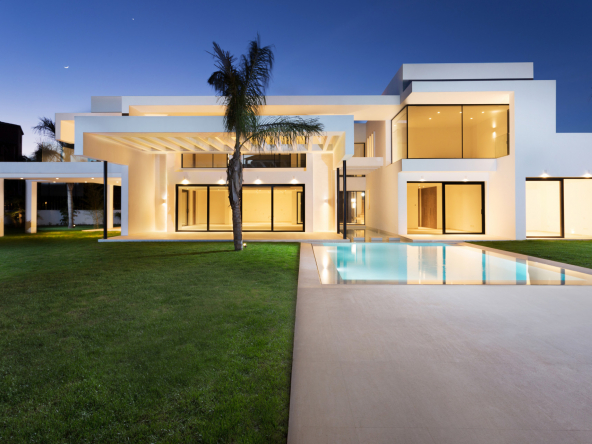
Contemporary Villa in Casasola
Estepona, Costa del Sol Occidental, Malaga, Andalusia, Spain Details
Casasola Villa
Estepona, Costa del Sol Occidental, Malaga, Andalusia, Spain Details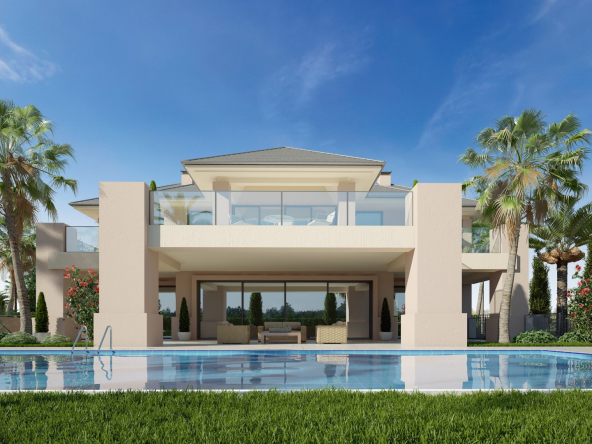
Deluxe Contemporary Los Flamingos Villa
Benahavís, Costa del Sol Occidental, Malaga, Andalusia, 29679, Spain Details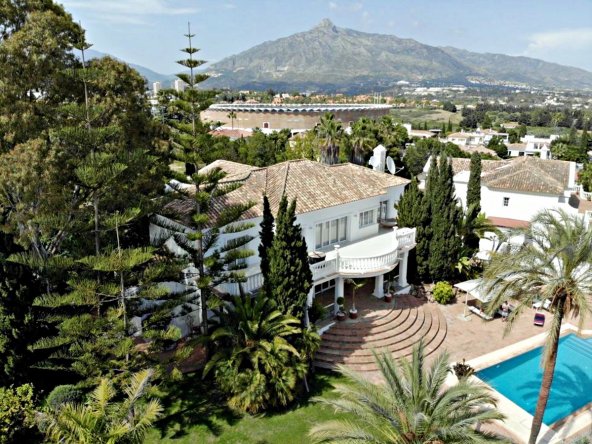
4 bedroom Villa in Puerto Banús
Puerto Banus., Aldea Blanca, Marbella, Costa del Sol Occidental, Malaga, Andalusia, 29660, Spain Details
Guadalmina Baja Villa
Marbella, Costa del Sol Occidental, Malaga, Andalusia, Spain Details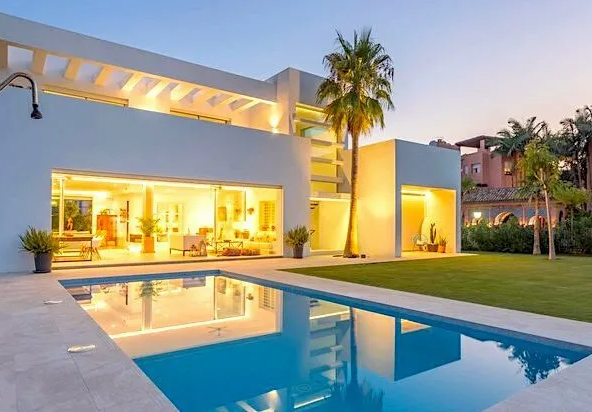
Villa Near the Beach
Marbella, Costa del Sol Occidental, Malaga, Andalusia, Spain Details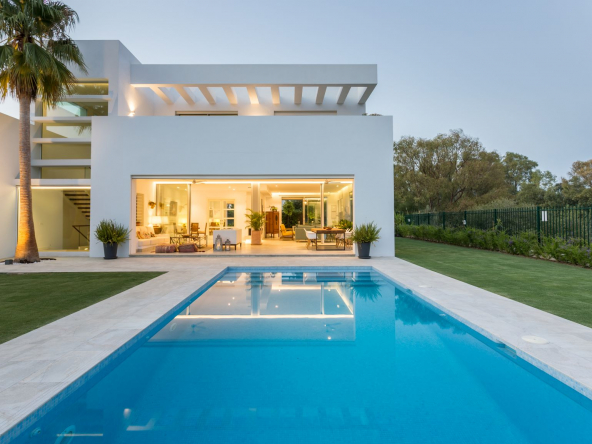
Excellent Investment Villa in Casasola
Estepona, Costa del Sol Occidental, Malaga, Andalusia, Spain Details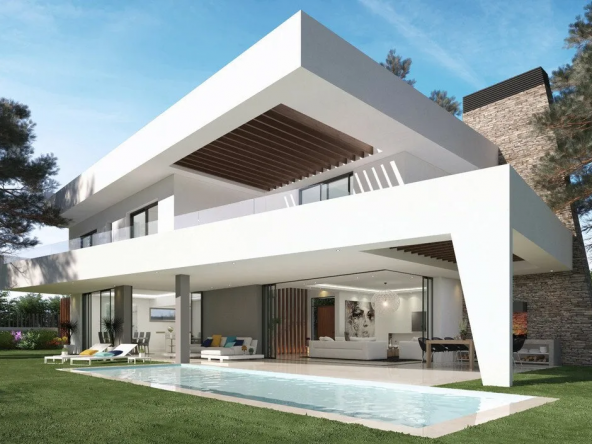
Elviria Villa in Marbella
Marbella, Costa del Sol Occidental, Malaga, Andalusia, Spain Details
Guadalmina Baja Villa
Marbella, Costa del Sol Occidental, Malaga, Andalusia, Spain Details
Spacious Villa with Spectacular Sea Views
Estepona, Costa del Sol Occidental, Malaga, Andalusia, Spain Details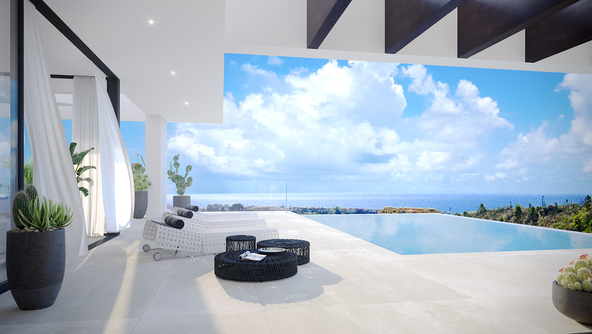
Luxurious Villas in the New Golden Mile
Estepona, Costa del Sol Occidental, Malaga, Andalusia, Spain Details
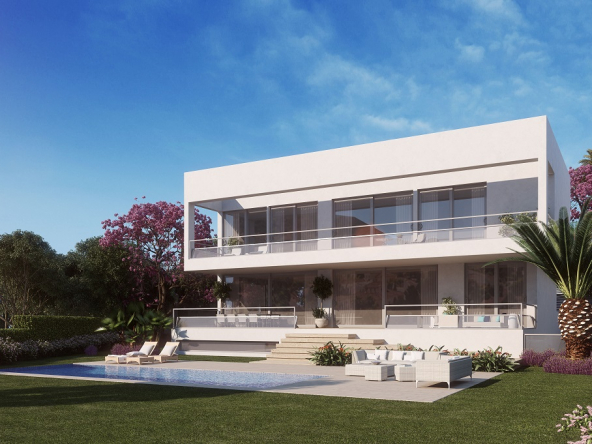
Modern Villas in Casasola
Estepona, Costa del Sol Occidental, Malaga, Andalusia, Spain Details
Stunning Elviria Villa
Marbella, Costa del Sol Occidental, Malaga, Andalusia, Spain Details