Investment Real Estate in Plovdiv

Plovdiv property investment can be a worthwhile venture if you are selective with the areas you choose to invest in. If not, you could find that your investment suffers due to low rental yields, dwindling demand, and slow property price growth in many parts of Plovdiv .
Get Our Latest List of Investment Property in Plovdiv
Search Map of Plovdiv Investment Real Estate
Plovdiv (Bulgarian: Пловдив, pronounced [ˈpɫɔvdif]) is the second-largest city in Bulgaria, standing on the banks of the Maritsa river in the historical region of Thrace. It has a population of 346,893 as of 2018 and 675,000 in the greater metropolitan area. Plovdiv is the cultural capital of Bulgaria and was the European Capital of Culture in 2019. It is an important economic, transport, cultural, and educational center. During most of its recorded history, Plovdiv was known by the name Philippopolis (Greek: Φιλιππούπολις, translit. Philippoúpolis, lit. “Philip’s city”) after Philip II of Macedon.
Plovdiv is situated in a fertile region of south-central Bulgaria on the two banks of the Maritsa River. The city has historically developed on seven syenite hills, some of which are 250 metres (820 feet) high. Because of these hills, Plovdiv is often referred to in Bulgaria as “The City of the Seven Hills”. There is evidence of habitation in Plovdiv dating back to the 6th millennium BCE, when the first Neolithic settlements were established. The city was subsequently a Thracian settlement and later ruled by Persians, Greeks, Celts, Romans, Goths, Huns, Bulgars, Slavs, the Rus’, Crusaders, and Turks.
Philippopolis was founded as a polis by Philip the Great (r. 359–336 BCE), the king of ancient Macedonia, settling there both Thracians and 2,000 Macedonians and Greeks in 342 BCE. Control of the city alternated between the Macedonian kingdom and the Thracian Odrysian kingdom during the Hellenistic period; the Macedonian king Philip V (r. 221–179 BCE) reoccupied the city in 183 BCE and his successor Perseus (r. 179–168 BCE) held the city with the Odrysians until the Roman Republic conquered the Macedonian kingdom in 168 BC. Philippopolis became the capital of the Roman province of Thracia. The city was at the centre of the road network of inland Thrace, and the strategic Via Militaris was crossed by several other roads at the site, leading to the Danube, the Aegean Sea, and the Black Sea. The Roman emperor Marcus Aurelius (r. 161–180 CE) built a new wall around the city.
In Late Antiquity, Philippopolis was an important stronghold, but was sacked in 250 during the Crisis of the Third Century, after the Siege of Philippopolis by the Goths led by Cniva. After this the settlement contracted, though it remained a major city, with the city walls rebuilt and new Christian basilicas and Roman baths constructed in the 4th century. The city was again sacked by the Huns in 441/442, and the walls were again rebuilt. Roman Philippopolis resisted another attack, by the Avars in the 580s, after the walls were renewed yet again by Justinian the Great (r. 527–565).
In the Middle Ages, Philippopolis fell to the Bulgars of the First Bulgarian Empire in 863, during the reign of Boris I (r. 852–889), having been briefly abandoned by the Christian inhabitants in 813 during a dispute with the khan Krum (r. c. 803 – 814). During the Byzantine–Bulgarian wars, the emperor Basil the Bulgar-Slayer (r. 960–1025) used Philippopolis as a major strategic fortification, governed by the protospatharios Nikephoros Xiphias. In the middle 11th century, the city was attacked by the Pechenegs, who occupied it briefly around 1090. The city continued to prosper, with the walls restored in the 12th century, during which the historian and politician Niketas Choniates was its governor and the physician Michael Italikos was its metropolitan bishop. According to the Latin historian of the Fourth Crusade, Geoffrey of Villehardouin, Philippopolis was the third largest city in the Byzantine Empire, after Constantinople (Istanbul) and Thessalonica (Thessaloniki). It suffered damage from the armies passing through the city during the Crusades as well as from sectarian violence between the Eastern Orthodox and the Armenian Orthodox and Paulician denominations. The city was destroyed by Kaloyan of Bulgaria (r. 1196–1207) in 1206 and rebuilt thereafter. In 1219, the city became the capital of the Crusader Duchy of Philippopolis, part of the Latin Empire. The Second Bulgarian Empire recovered the city in 1263, but lost it to Byzantine control before recapturing it in 1323. The Ottoman Empire conquered Philippopolis (Turkish: Filibe) in 1363 or 1364.
On 4 January 1878, at the end of the Russo-Turkish War (1877–1878), Plovdiv was taken away from Ottoman rule by the Russian army. It remained within the borders of Bulgaria until July of the same year, when it became the capital of the autonomous Ottoman region of Eastern Rumelia. In 1885, Plovdiv and Eastern Rumelia joined Bulgaria.
There are many preserved ruins such as the ancient Plovdiv Roman theatre, a Roman odeon, a Roman aqueduct, the Plovdiv Roman Stadium, the archaeological complex Eirene, and others. Plovdiv is host to a huge variety of cultural events such as the International Fair Plovdiv, the international theatrical festival “A stage on a crossroad”, the TV festival “The golden chest”, and many more novel festivals, such as Night/Plovdiv in September, Kapana Fest, and Opera Open. The oldest American educational institution outside the United States, the American College of Sofia, was founded in Plovdiv in 1860 and later moved to Sofia.
On 5 September 2014, Plovdiv was selected as the Bulgarian host of the European Capital of Culture 2019 alongside the Italian city of Matera. This happened with the help of the Municipal Foundation “Plovdiv 2019″, a non-government organization, which was established in 2011 by Plovdiv’s City Council whose main objectives were to develop and to prepare Plovdiv’s bid book for European Capital of Culture in 2019.
Get Our Latest List of Investment Property in Plovdiv
The financial stability of Plovdiv has translated into a real estate market that rewards forward planning and a willingness to look beyond areas of traditional affluence.
Buy to Rent in Plovdiv
Renting out your Plovdiv buy-to-rent investment property can grow wealth and income.
Whatever your goals with investment property in Plovdiv are – preparation is key.
With our expert guidance, investing in Plovdiv provides the secure knowledge that your money is working harder than it would in a local Plovdiv bank and that future generations of your family will be left with substantial capital growth assets.
We are always happy to advise on buying investment property in Plovdiv, where we have been established for over 35+ years. Physis Realty has been a firm fixture in the Plovdiv property market through good times and bad. Our experts have seen it all and our portfolios continue to outperform.
Flipping Investment Property in Plovdiv
Flipping property in Plovdiv
Flipping property is when we advise clients to buy a Plovdiv property below market value, renovate it and then make a profit by selling it at a higher price, all within a few months, and often before the Plovdiv market has a time to react to the renovation.
The Flipping Strategy in Plovdiv
Investment property flipping in Plovdiv is a simple strategy. You find a property that is in need of renovation from our list and purchase it for a low price. These type of Plovdiv real estate investments are sometimes referred to by professionals as ‘distressed’ Plovdiv real estate.
What is distressed Plovdiv property:
- Plovdiv property in need of renovation
- Plovdiv real estate with a change of purpose and use
- Oversold Plovdiv property
- Bank repossessions in Plovdiv
Put simply, long term investors in Plovdiv purchase the property, renovate it and make it a lot more attractive to potential buyers.
Calculate profit that you make from Plovdiv investment property flipping:
Final Selling Price less Cost of Purchase less Costs = Profit
Here is an example:
Plovdiv property purchase price: $220,000
Renovation costs: $20,000
Other costs: $25,000
Property sale price: $400,000
Profit: $135,000
Experienced property developers in Plovdiv use a minimum profit value of 22% when looking at potential Plovdiv projects. The reason for this is because there are lots that can go wrong in Plovdiv property flipping and working on a potential margin of 22% should still leave a good margin of error.
Luxury Property in Plovdiv
For luxury property investors hoping to add a superb property in Plovdiv to their luxury real estate investment portfolio, Physis Realty is a trusted partner.
Click Here for the Physis Realty Facebook Page
A world leader in luxury real estate with a portfolio comprising some of the most sought-after real estate in Plovdiv, Physis Realty caters particularly to high net-worth individuals and families. A luxury real estate investment in Plovdiv should be entrusted to only the highest-quality agency.
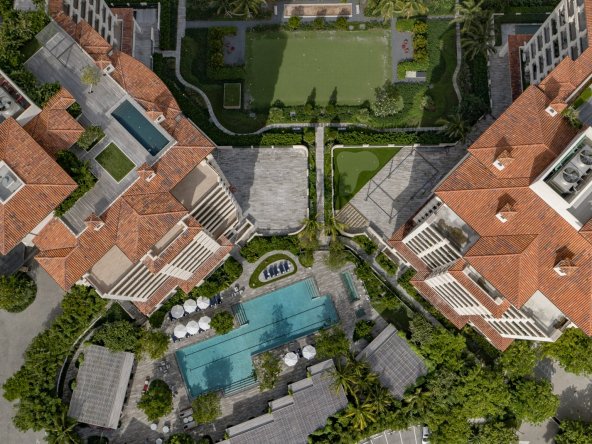
Opulent Penthouse with Rooftop
Miami, Miami-Dade County, Florida, United States Details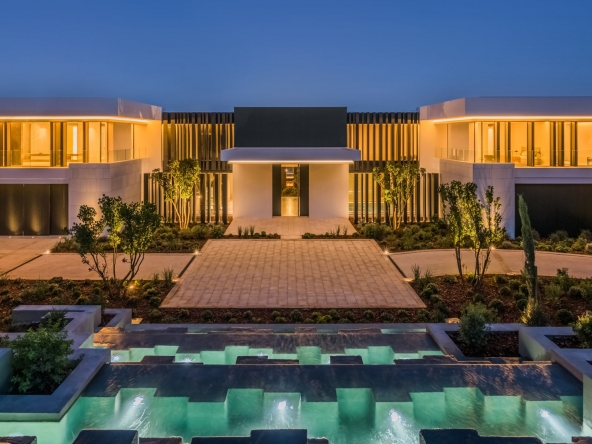
Brand New Luxury Villa in La Zagaleta
Marbella, Costa del Sol Occidental, Malaga, Andalusia, Spain Details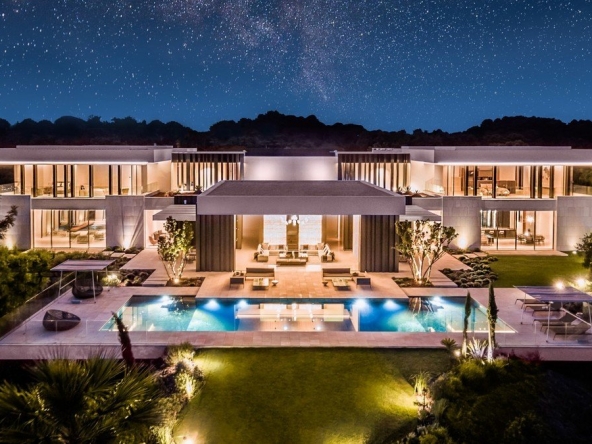
Modern Luxury Mansion in La Zagaleta
Benahavís, Costa del Sol Occidental, Malaga, Andalusia, 29679, Spain Details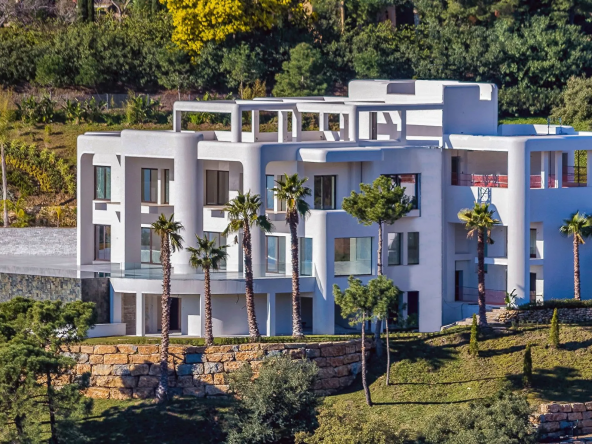
Yacht Designed Dream House
Marbella, Costa del Sol Occidental, Malaga, Andalusia, Spain Details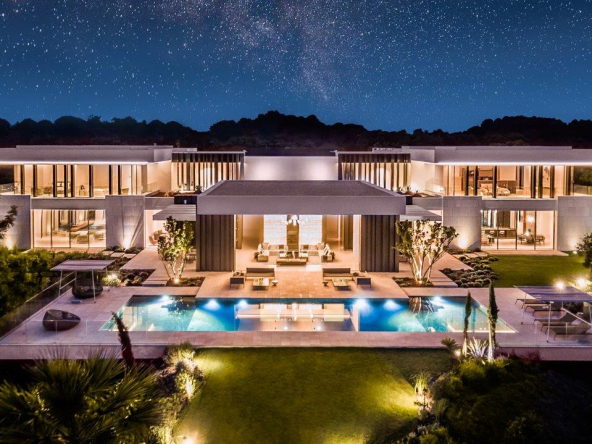
Unique State-of-the-art Mansion in La Zagaleta
Benahavís, Costa del Sol Occidental, Malaga, Andalusia, 29679, Spain Details
Luxury Villa in Miami Beach
Miami, Miami-Dade County, Florida, United States Details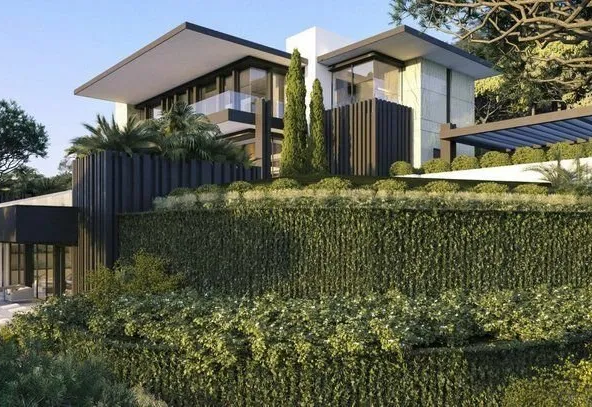
Luxury Masterpiece In La Zagaleta
Benahavís, Costa del Sol Occidental, Malaga, Andalusia, 29679, Spain Details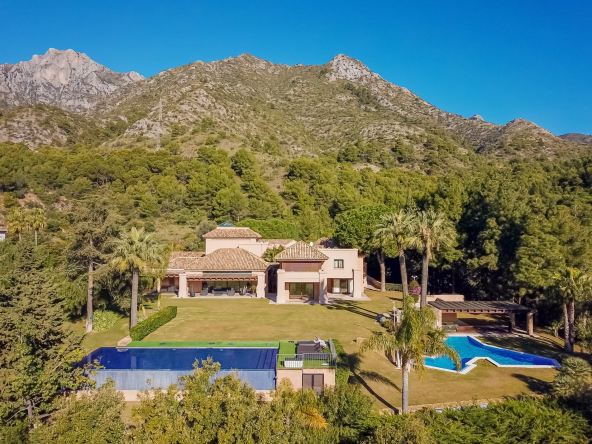
Contemporary Villa In Marbella
Marbella, Costa del Sol Occidental, Malaga, Andalusia, Spain Details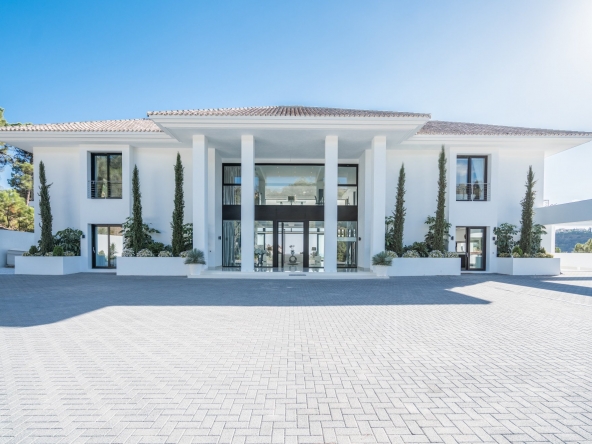
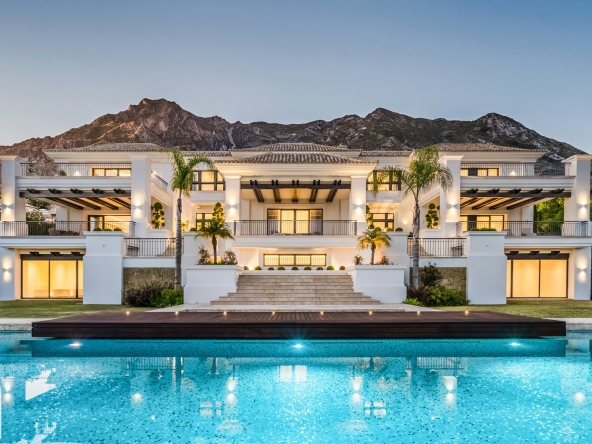
Villa in Benahavis
Benahavís, Costa del Sol Occidental, Malaga, Andalusia, 29679, Spain Details
Contemporary Andalusian Villa in Sierra Blanca
Marbella, Costa del Sol Occidental, Malaga, Andalusia, Spain Details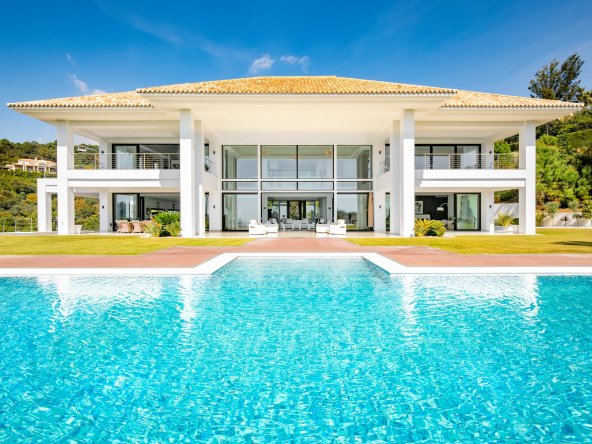
Spectacular Villa With Stunning Sea And Mountain View
Benahavís, Costa del Sol Occidental, Malaga, Andalusia, 29679, Spain Details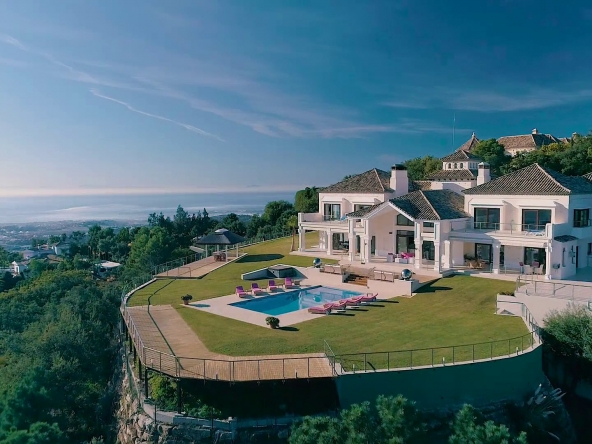
Impressive Benahavis Villa
Benahavís, Costa del Sol Occidental, Malaga, Andalusia, 29679, Spain Details
Benahavis Mansion
Benahavís, Costa del Sol Occidental, Malaga, Andalusia, 29679, Spain Details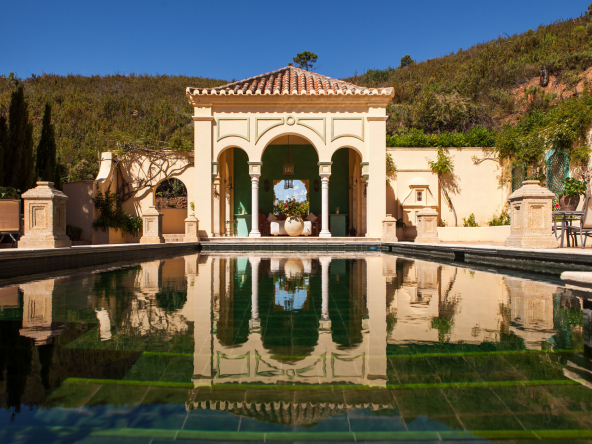
Palatial Estate in Estepona
Estepona, Costa del Sol Occidental, Malaga, Andalusia, Spain Details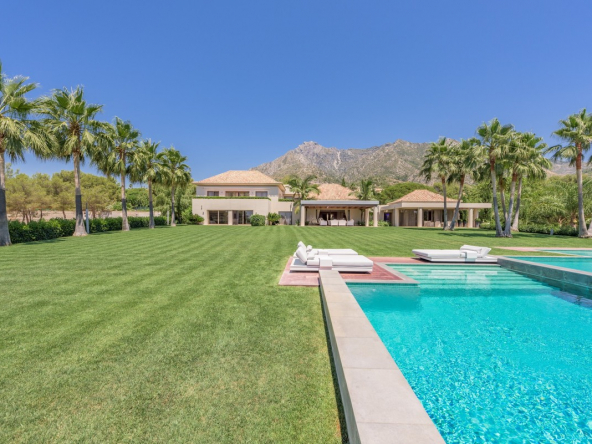
9 Bedroom Villa in Sierra Blanca
Marbella, Costa del Sol Occidental, Malaga, Andalusia, Spain Details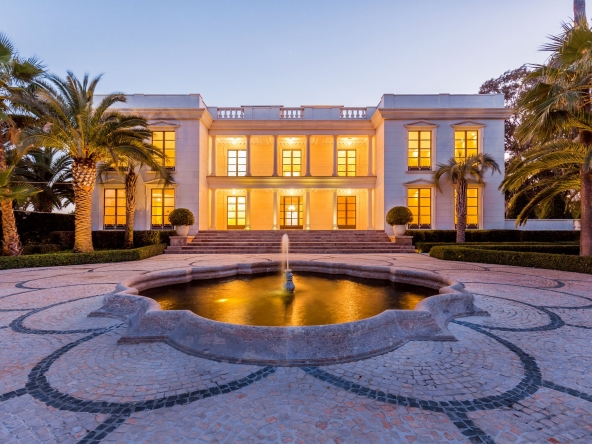
Stunning Oceanfront Miramar Palace
Marbella, Costa del Sol Occidental, Malaga, Andalusia, Spain Details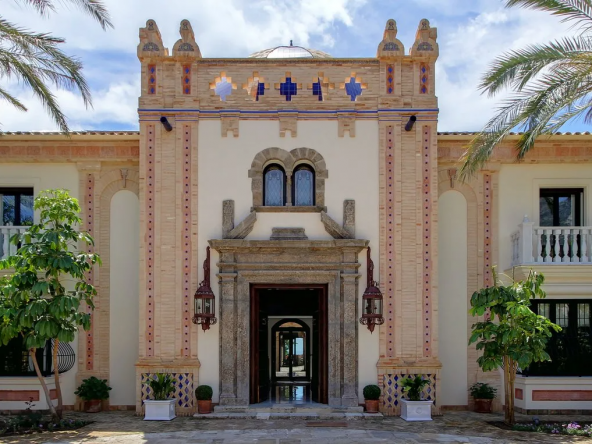
Exclusive Palatial Mansion In Marbella
Marbella, Costa del Sol Occidental, Malaga, Andalusia, Spain Details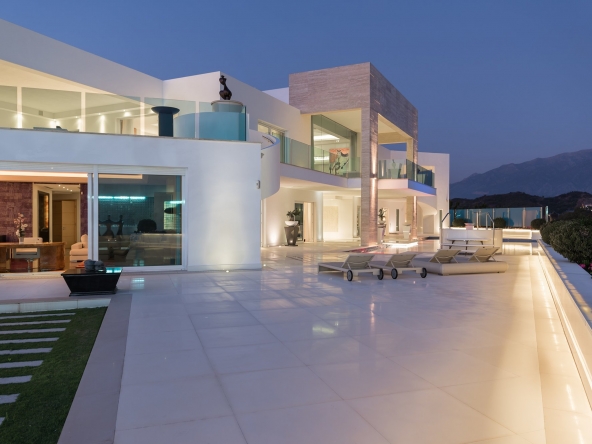
Iconic Art Deco Villa in Marbella
Marbella, Costa del Sol Occidental, Malaga, Andalusia, Spain Details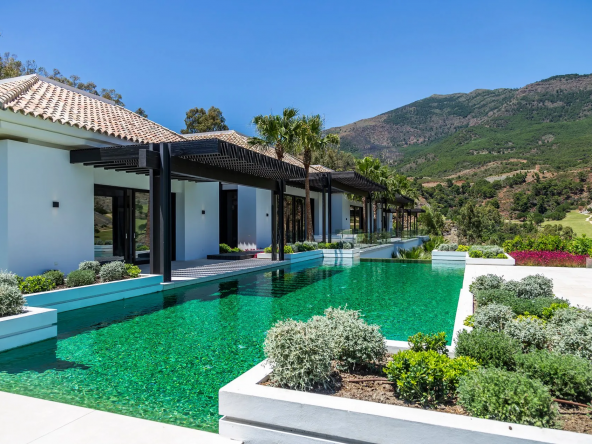
New Modern Villa In Zagaleta
Benahavís, Costa del Sol Occidental, Malaga, Andalusia, 29679, Spain Details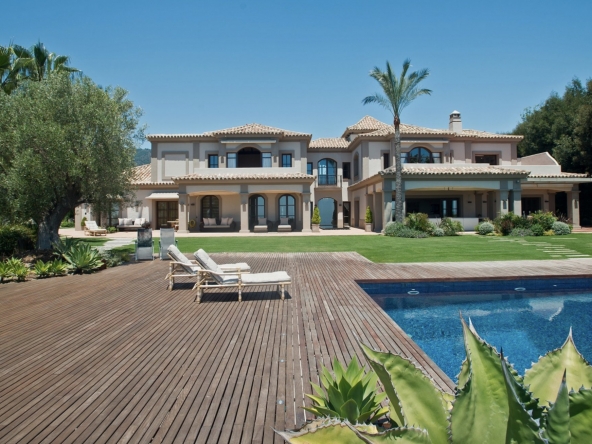
Cozy Villa in La Zagaleta
Benahavís, Costa del Sol Occidental, Malaga, Andalusia, 29679, Spain Details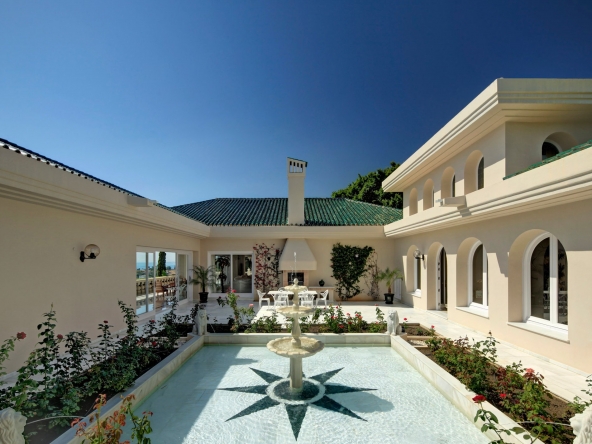
Palatial Mansion in Marbella
Marbella, Costa del Sol Occidental, Malaga, Andalusia, Spain Details
Nueva Andalucia Villa
La Cerquilla, Trevélez, Comarca de la Alpujarra Granadina, Granada, Andalusia, 18417, Spain Details
Nueva Andalucia Villa
Nueva Andalucía, Marbella, Costa del Sol Occidental, Malaga, Andalusia, 29660, Spain Details


Stunning Benahavis Villa
Benahavís, Costa del Sol Occidental, Malaga, Andalusia, 29679, Spain Details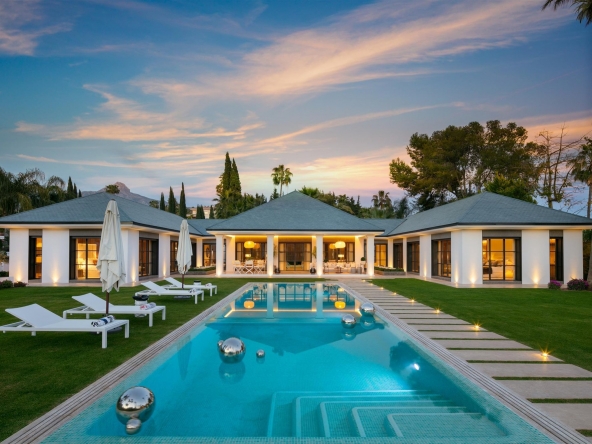
Front line Las Brisas Golf Estate
Marbella, Costa del Sol Occidental, Malaga, Andalusia, Spain Details
5 bedroom Villa in Costa del Sol
Costa del Sol, Dos Hermanas, Sevilla, Andalusia, 41702, Spain Details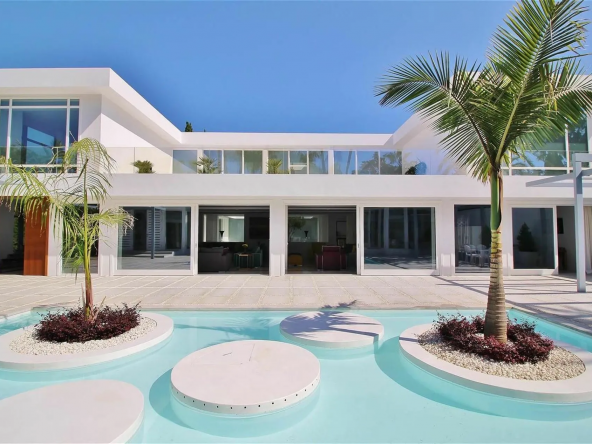
Villa de San Pedro De Alcántara
Marbella, Costa del Sol Occidental, Malaga, Andalusia, Spain Details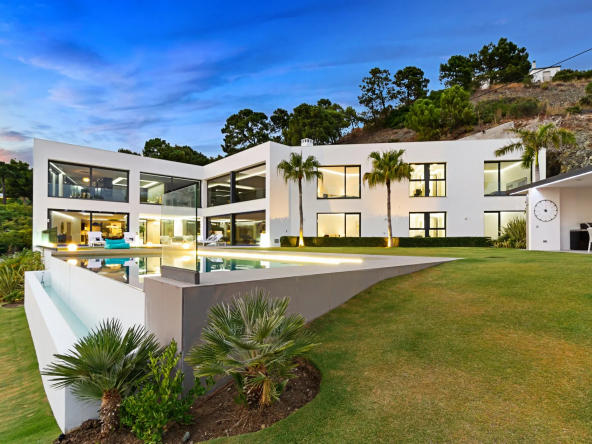
African Coast View Villa
Benahavís, Costa del Sol Occidental, Malaga, Andalusia, 29679, Spain Details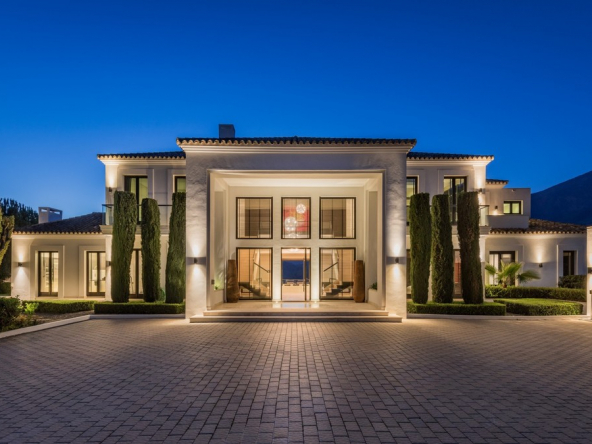
7 Bedroom Villa in La Zagaleta
Benahavís, Costa del Sol Occidental, Malaga, Andalusia, 29679, Spain Details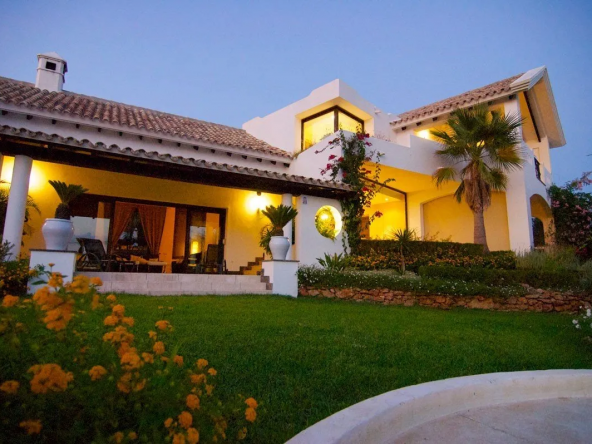
House Marbella
Marbella, Costa del Sol Occidental, Malaga, Andalusia, Spain Details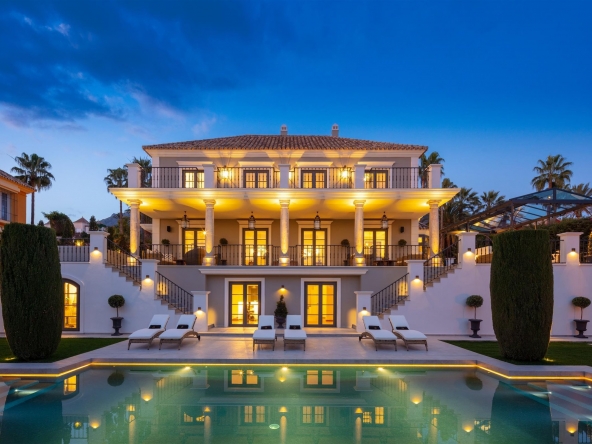
Amazing Renovated Family Home in Sierra Blanca
Marbella, Costa del Sol Occidental, Malaga, Andalusia, Spain Details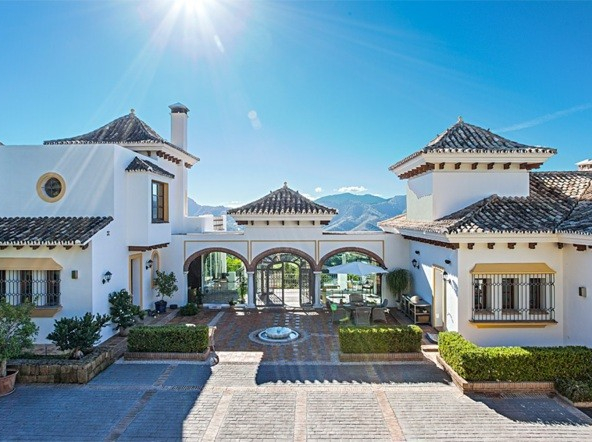
7 bedroom Villa in Costa del Sol
Benahavís, Costa del Sol Occidental, Malaga, Andalusia, 29679, Spain Details
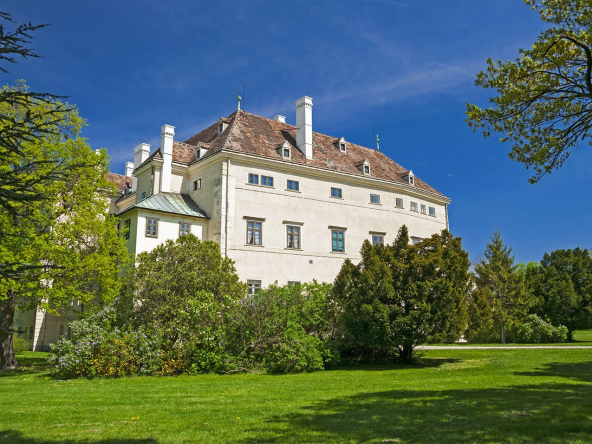
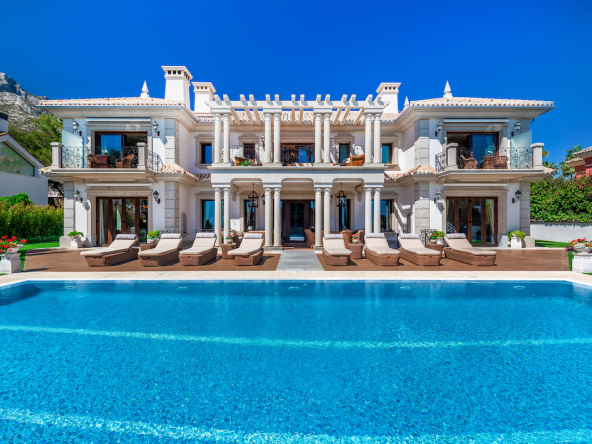
Reformed Luxury Golden Mile Villa
Marbella, Costa del Sol Occidental, Malaga, Andalusia, Spain Details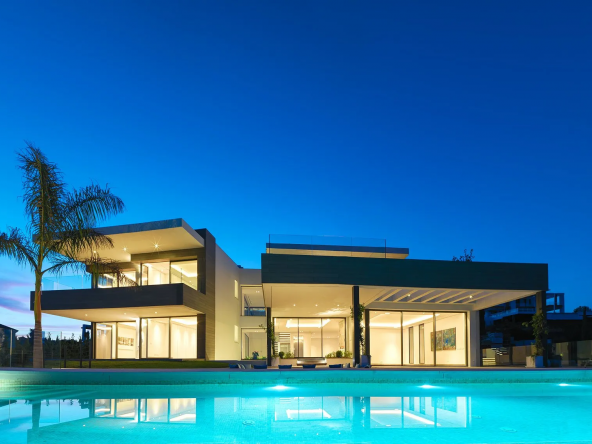
Los Flamingos Luxury Villa
Marbella, Costa del Sol Occidental, Malaga, Andalusia, Spain Details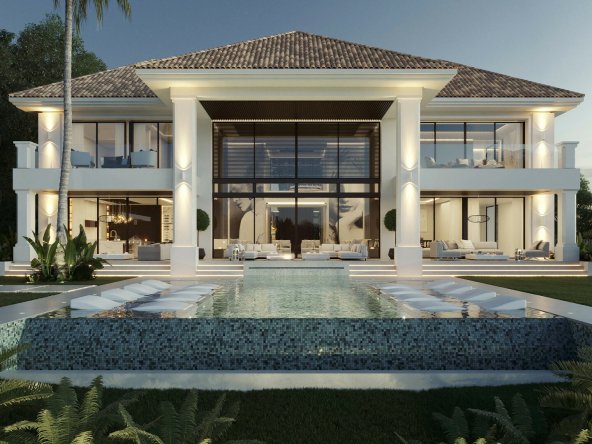
Mediterranean Benahavis Villa
Benahavís, Costa del Sol Occidental, Malaga, Andalusia, 29679, Spain Details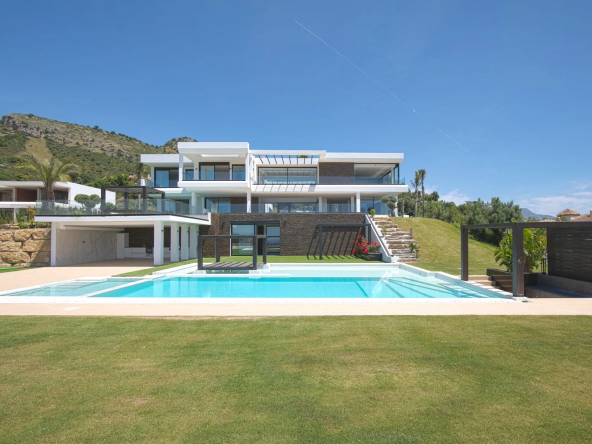
Brand New Villa With in Marbella Club Golf
Benahavís, Costa del Sol Occidental, Malaga, Andalusia, 29679, Spain Details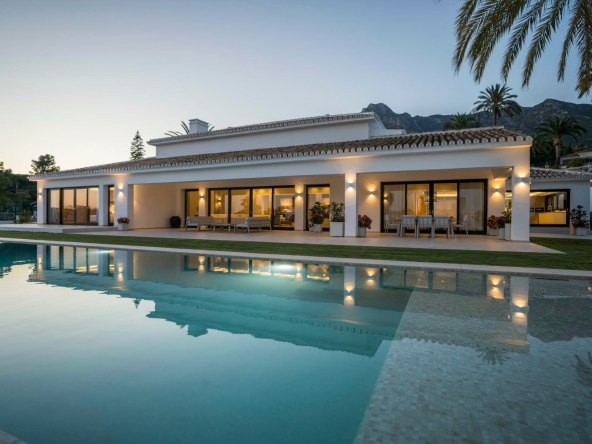
Marbella Villa
Marbella, Costa del Sol Occidental, Malaga, Andalusia, Spain Details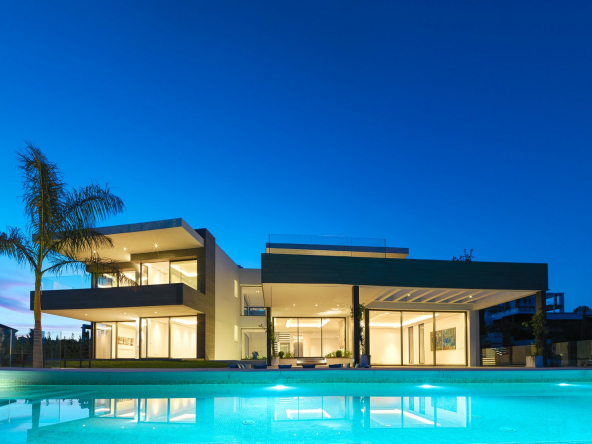
Benahavis Villa
Benahavís, Costa del Sol Occidental, Malaga, Andalusia, 29679, Spain Details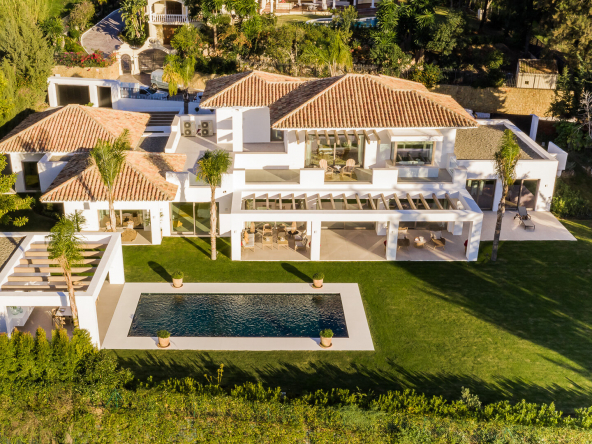
Modern Luxury Villa in El Paraiso
Estepona, Costa del Sol Occidental, Malaga, Andalusia, Spain Details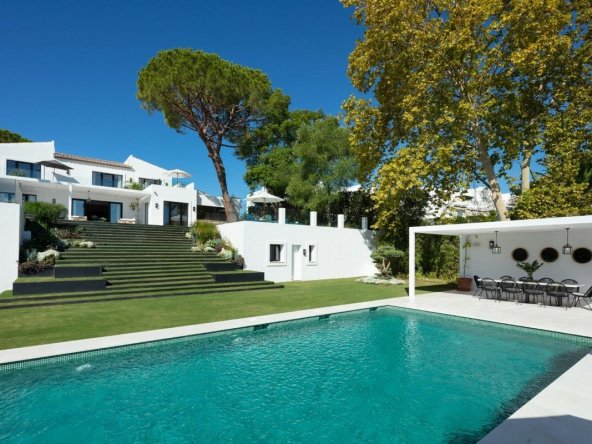
Heart of Golf Valley Villa
Málaga, Málaga-Costa del Sol, Malaga, Andalusia, Spain Details
6 bedroom Villa in The Golden Mile
Marbella, Costa del Sol Occidental, Malaga, Andalusia, Spain Details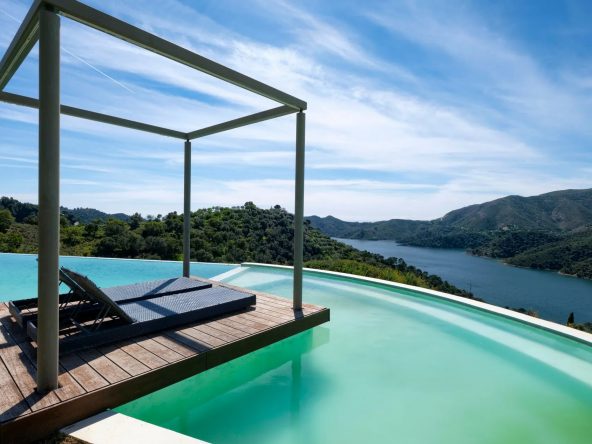
Istan Villa
Marbella, Costa del Sol Occidental, Malaga, Andalusia, Spain Details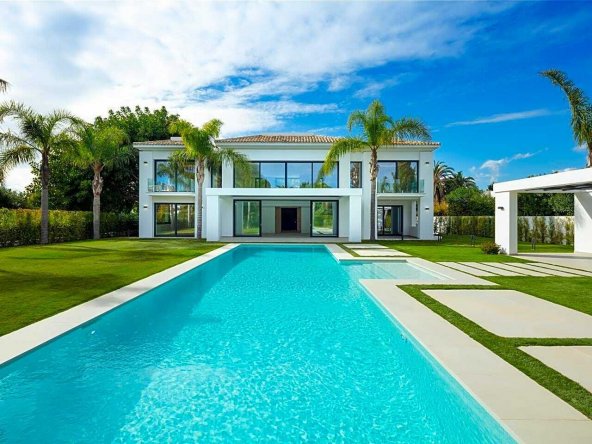
New Grand Villa in Guadalmina Baja
Estepona, Costa del Sol Occidental, Malaga, Andalusia, Spain Details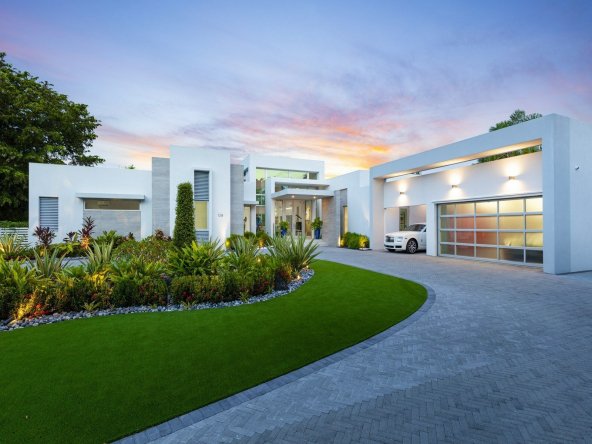
Immaculate N Pinecrest House
Miami, Miami-Dade County, Florida, United States Details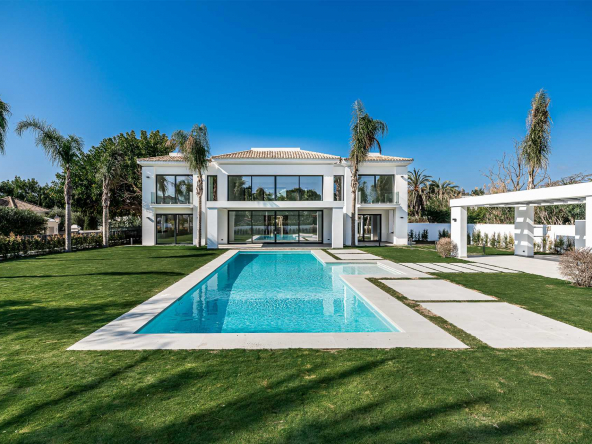
Brand New Modern Villa in Casasola
Estepona, Costa del Sol Occidental, Malaga, Andalusia, Spain Details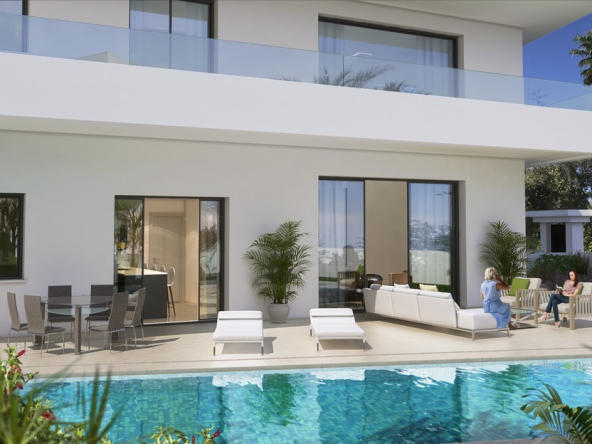
5 Bedroom Villa in The Golden Mile
Marbella, Costa del Sol Occidental, Malaga, Andalusia, Spain Details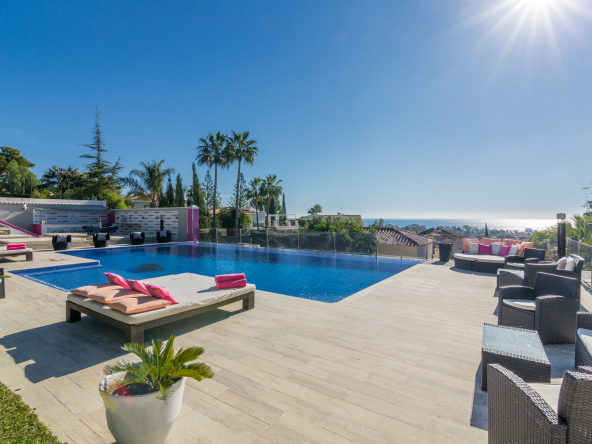
Spectacular Luxury Villa in Elviria
Elviria, Marbella, Costa del Sol Occidental, Malaga, Andalusia, 29604, Spain Details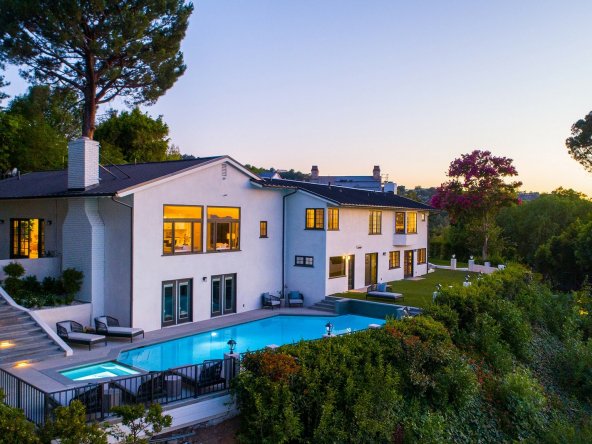
Blairwood Drive Home
Los Angeles, Los Angeles County, California, United States Details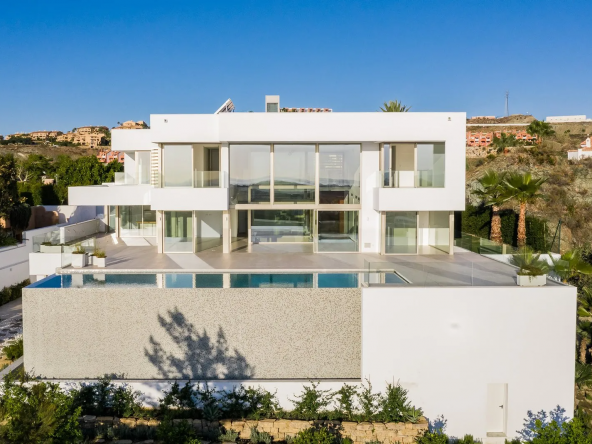
Contemporary Frontline Golf Villa In Marbella
Marbella, Costa del Sol Occidental, Malaga, Andalusia, Spain Details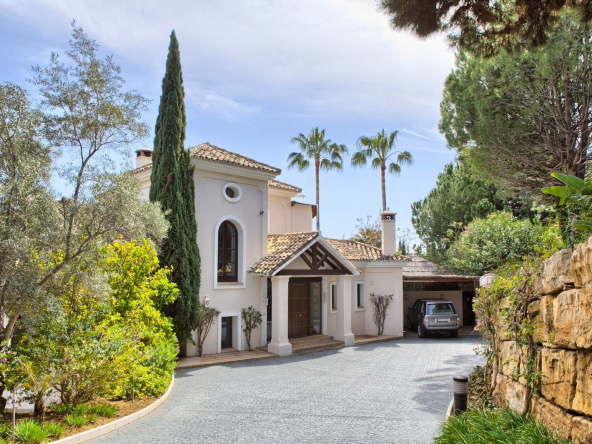
Charming Villa in La Zagaleta
Marbella, Costa del Sol Occidental, Malaga, Andalusia, Spain Details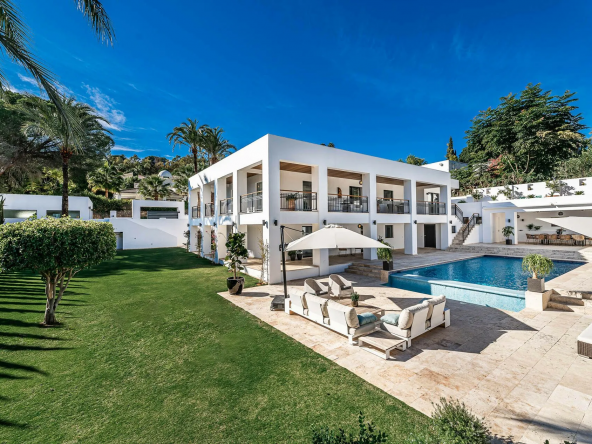
Marbella Villa
Marbella, Costa del Sol Occidental, Malaga, Andalusia, Spain Details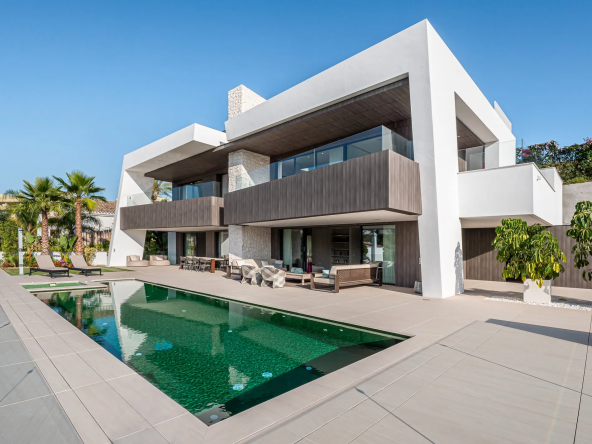
Los Naranjos Golf Course Villa
Marbella, Costa del Sol Occidental, Malaga, Andalusia, Spain Details
Unique Marbella Villa
Marbella, Costa del Sol Occidental, Malaga, Andalusia, Spain Details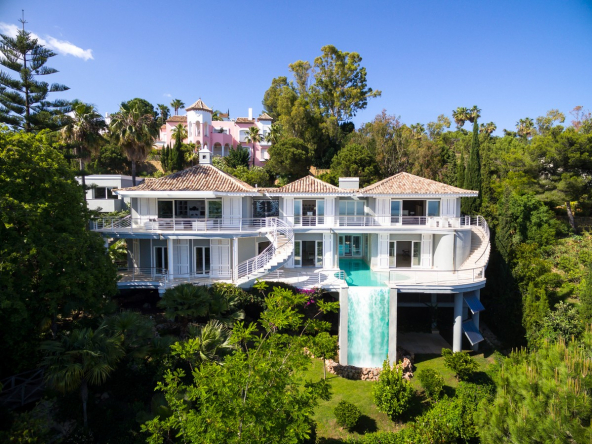
Villa in El Madroñal
Costa del Sol, Dos Hermanas, Sevilla, Andalusia, 41702, Spain Details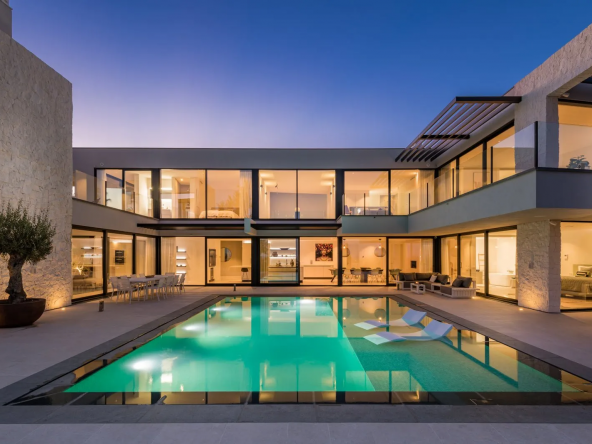
Sophisticated Frontline Golf Luxury Villa In Marbella
Marbella, Costa del Sol Occidental, Malaga, Andalusia, Spain Details
Marbella Club Golf Resort Villa
Benahavís, Costa del Sol Occidental, Malaga, Andalusia, 29679, Spain Details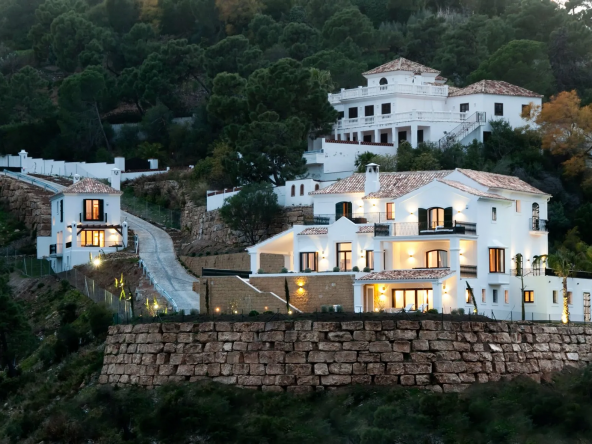
Madroñal Luxury Villa
Benahavís, Costa del Sol Occidental, Malaga, Andalusia, 29679, Spain Details
Villa in La Quinta
Marbella, Costa del Sol Occidental, Malaga, Andalusia, Spain Details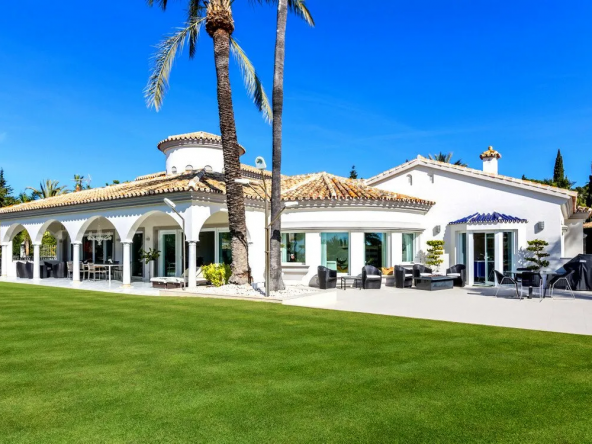
Hacienda Las Chapas Villa
Marbella, Costa del Sol Occidental, Malaga, Andalusia, Spain Details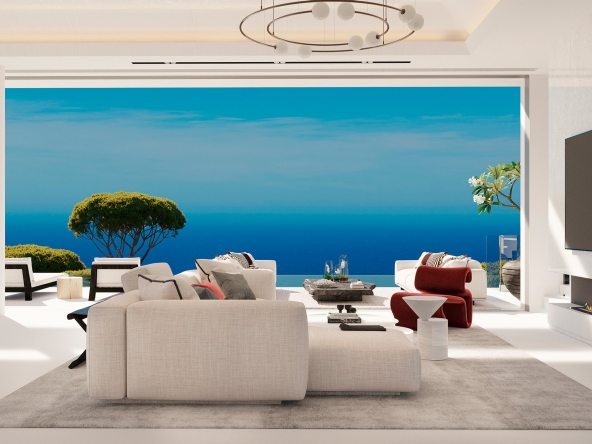
Villa Auriga in Vista Lago Residences
Marbella, Costa del Sol Occidental, Malaga, Andalusia, Spain Details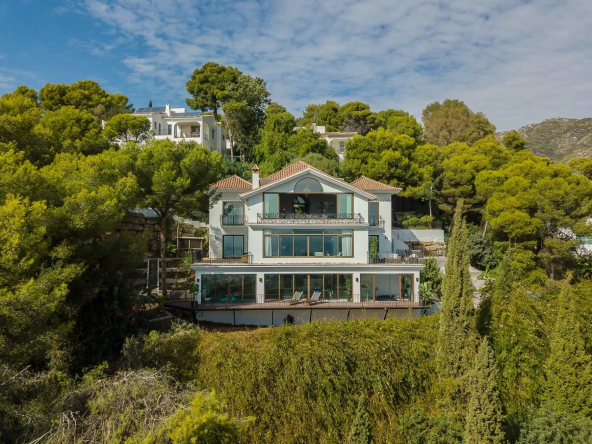
Stunning Villa With Unbeatable Sea Views In Marbella
Marbella, Costa del Sol Occidental, Malaga, Andalusia, Spain Details

New Golden Mile Apartment
Estepona, Costa del Sol Occidental, Malaga, Andalusia, Spain Details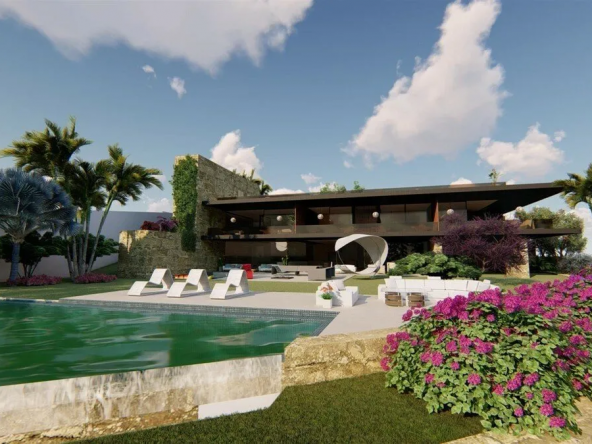
Villa For Sale In El Paraiso
Estepona, Costa del Sol Occidental, Malaga, Andalusia, Spain Details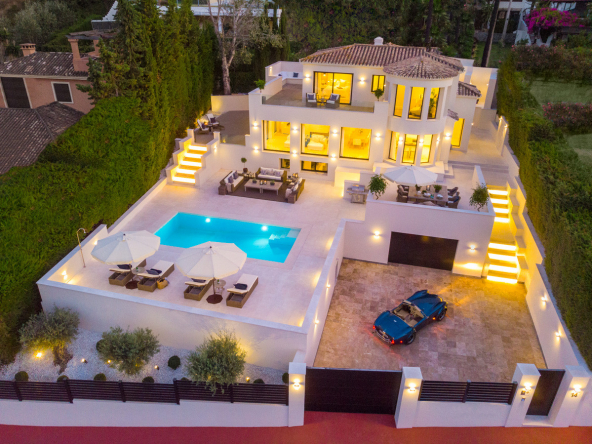
Fully Modernised Luxury Villa in Nueva Andalucia
Nueva Andalucía, Almeria, Andalusia, 04006, Spain Details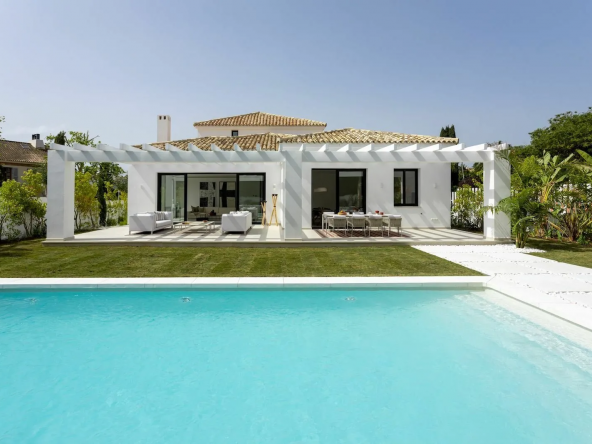
New Luxury Mediterranean Villa At Guadalmina Baja
Marbella, Costa del Sol Occidental, Malaga, Andalusia, Spain Details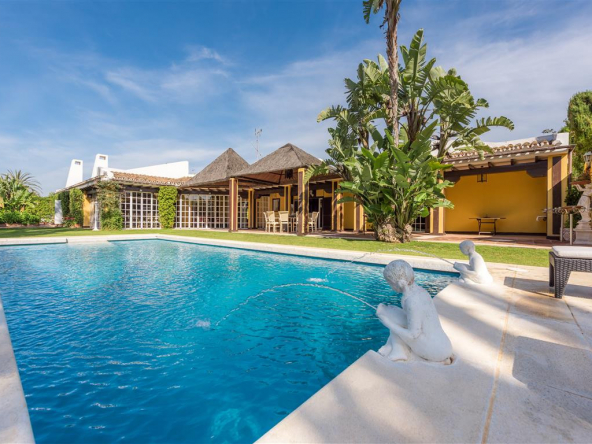
Exceptional Beachside Guadalmina Baja Villa
Guadalmina Baja, Marbella, Costa del Sol Occidental, Malaga, Andalusia, 29670, Spain Details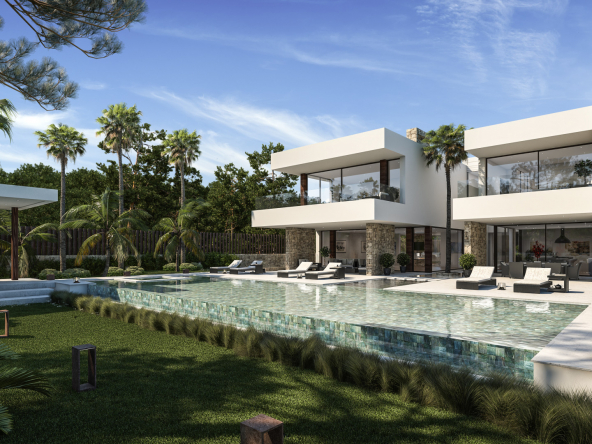
San Pedro de Alcantara Villa
San Pedro de Alcántara, Costa del Sol Occidental, Malaga, Andalusia, 29670, Spain Details
Marbella Duplex Penthouse
Marbella, Costa del Sol Occidental, Malaga, Andalusia, Spain Details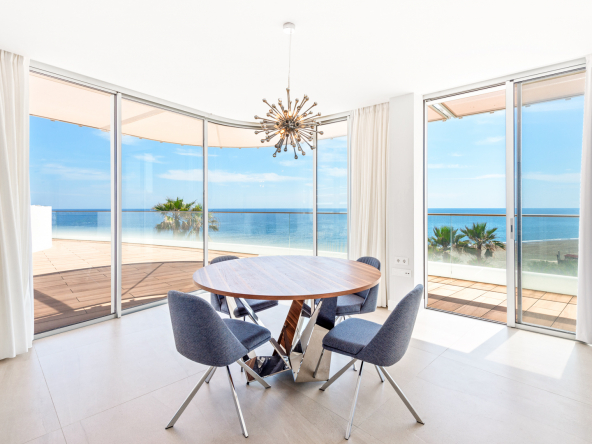
Stunning Penthouse in New Luxury Complex
Estepona, Costa del Sol Occidental, Malaga, Andalusia, Spain Details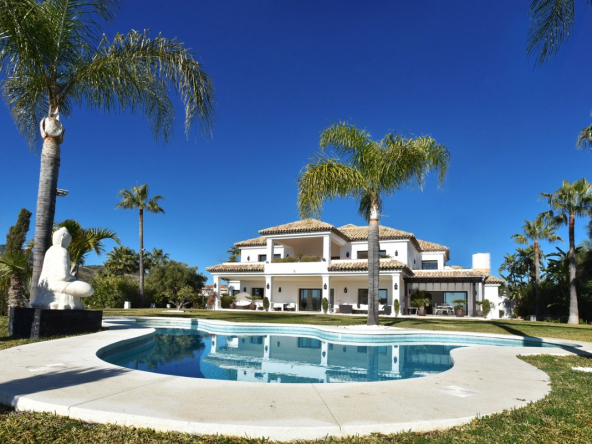
7 bedroom Villa in Benahavís
Benahavís, Costa del Sol Occidental, Malaga, Andalusia, 29679, Spain Details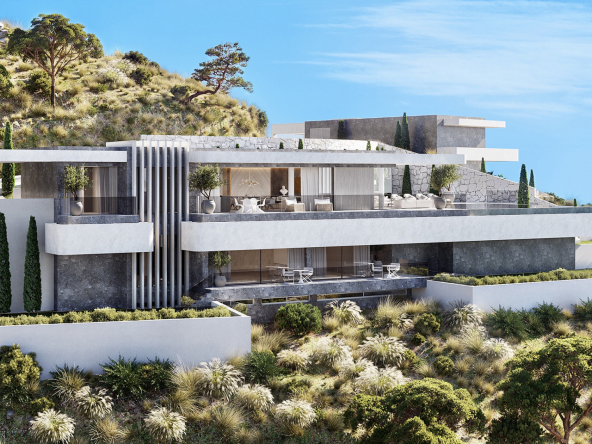
Luxury Sustainable Villas in Real de la Quinta
Marbella, Costa del Sol Occidental, Malaga, Andalusia, Spain Details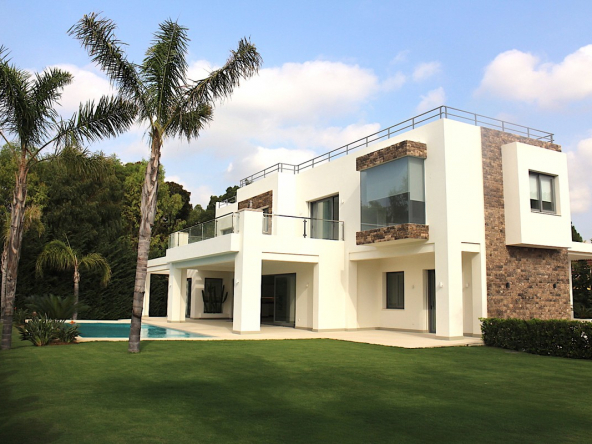
Amazing Villa in Guadalmina Baja
Guadalmina Baja, Marbella, Costa del Sol Occidental, Malaga, Andalusia, 29670, Spain Details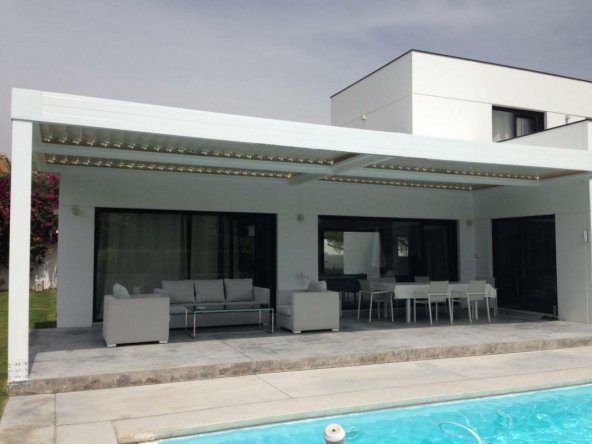
Villa in San Pedro De Alcántara
San Pedro de Alcántara, Costa del Sol Occidental, Malaga, Andalusia, 29670, Spain Details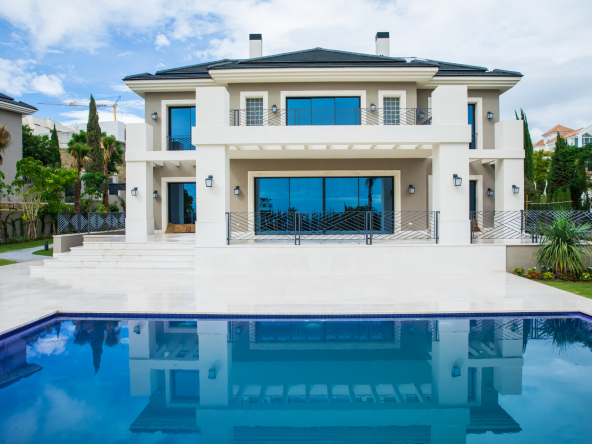
Luxury Los Flamingos Villa
Benahavís, Costa del Sol Occidental, Malaga, Andalusia, 29679, Spain Details
Luxury Villa in La Alqueria
Benahavís, Costa del Sol Occidental, Malaga, Andalusia, 29679, Spain Details
El Paraíso Villa
El Paraíso, Estepona, Costa del Sol Occidental, Malaga, Andalusia, 29688, Spain Details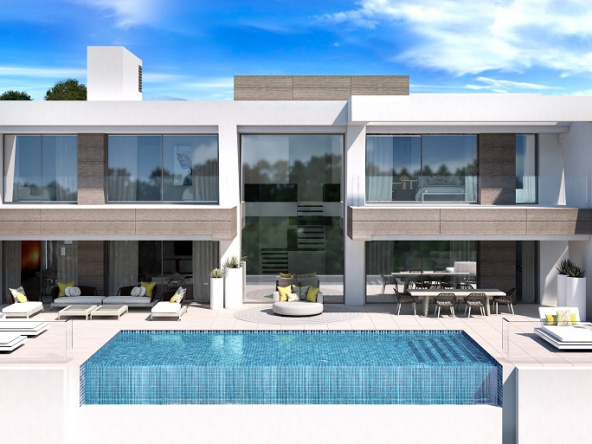
Contemporary Villas with Panoramic Views
Estepona, Costa del Sol Occidental, Malaga, Andalusia, Spain Details
Impressive Two-Story Estate
Miami, Miami-Dade County, Florida, United States Details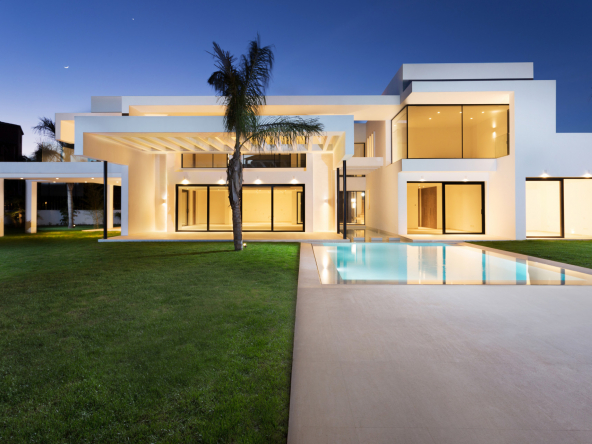
Contemporary Villa in Casasola
Estepona, Costa del Sol Occidental, Malaga, Andalusia, Spain Details
Casasola Villa
Estepona, Costa del Sol Occidental, Malaga, Andalusia, Spain Details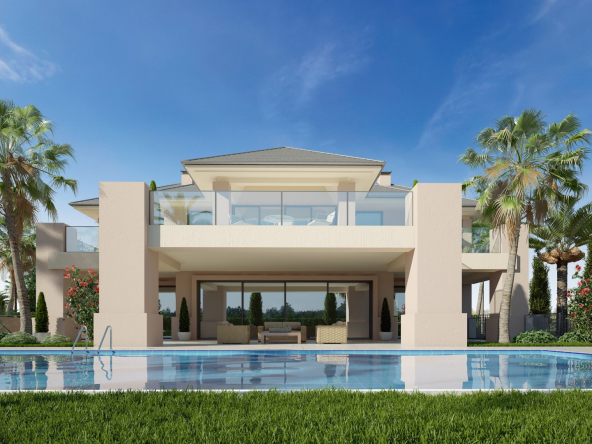
Deluxe Contemporary Los Flamingos Villa
Benahavís, Costa del Sol Occidental, Malaga, Andalusia, 29679, Spain Details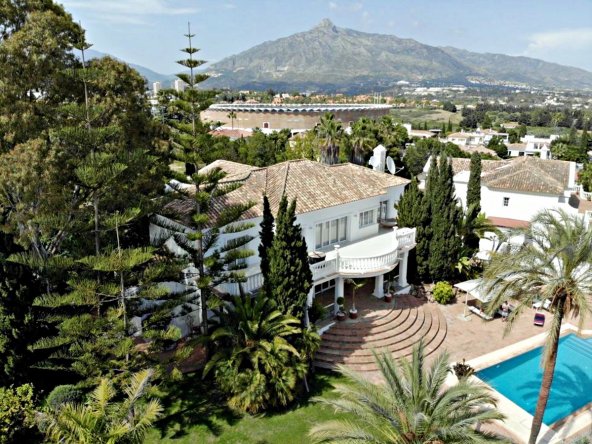
4 bedroom Villa in Puerto Banús
Puerto Banus., Aldea Blanca, Marbella, Costa del Sol Occidental, Malaga, Andalusia, 29660, Spain Details
Guadalmina Baja Villa
Marbella, Costa del Sol Occidental, Malaga, Andalusia, Spain Details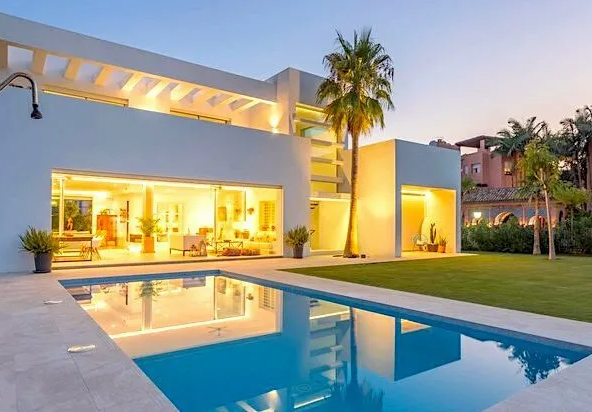
Villa Near the Beach
Marbella, Costa del Sol Occidental, Malaga, Andalusia, Spain Details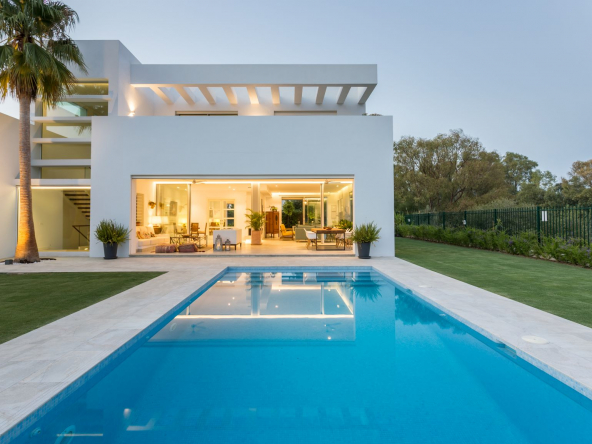
Excellent Investment Villa in Casasola
Estepona, Costa del Sol Occidental, Malaga, Andalusia, Spain Details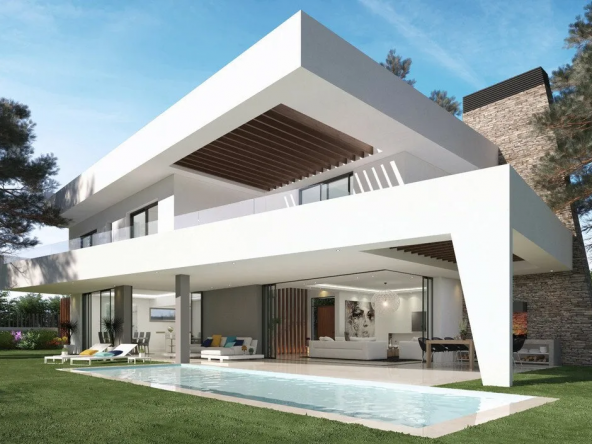
Elviria Villa in Marbella
Marbella, Costa del Sol Occidental, Malaga, Andalusia, Spain Details
Guadalmina Baja Villa
Marbella, Costa del Sol Occidental, Malaga, Andalusia, Spain Details
Spacious Villa with Spectacular Sea Views
Estepona, Costa del Sol Occidental, Malaga, Andalusia, Spain Details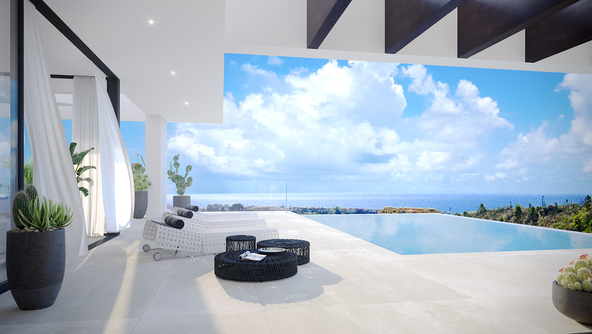
Luxurious Villas in the New Golden Mile
Estepona, Costa del Sol Occidental, Malaga, Andalusia, Spain Details
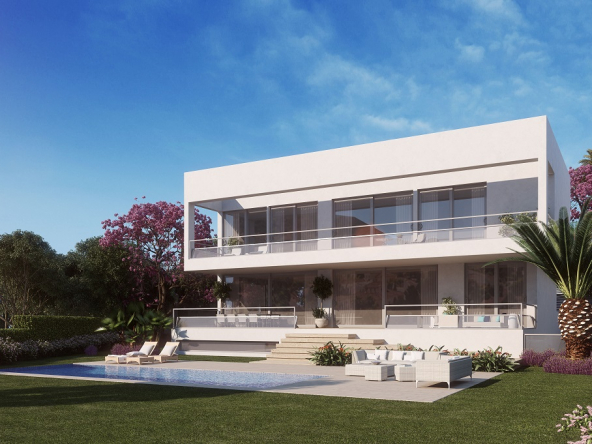
Modern Villas in Casasola
Estepona, Costa del Sol Occidental, Malaga, Andalusia, Spain Details
Stunning Elviria Villa
Marbella, Costa del Sol Occidental, Malaga, Andalusia, Spain Details